Showing posts with label gluten free diet. Show all posts

Thursday, 2 June 2016

Why You Shouldn’t Go On A Gluten Free Diet Without Medical Advice


Being on a gluten free diet is all the rage at the moment and you may even be thinking of going on a one yourself. But before you do, there are some things to think about. Unless you are medically advised to do so, most people should not go on a gluten free diet.


A gluten free diet is essential for people with celiac disease, a serious autoimmune disorder that destroys the villi of the intestinal tract. Celiac disease affects about 1-2% of the population. There is no cure but symptoms can be reversed by taking gluten out of the diet. But the danger of self-diagnosing and taking gluten out of your diet prior to being diagnosed is that test results could be affected and you may end up with an inaccurate false negative test for celiac disease which could affect your long term health. An intestinal biopsy is the only way to detect celiac disease accurately.

There has been a lot of media hype about going on a gluten free diet. People tend to go on a gluten free diet because the think it will help their general well-being, or in response to feeling tired, bloated or depressed. They often find that reducing gluten correlates with improved feelings or losing weight. But this is more likely to be explained by the fact that they've cut out the excess calories found in many flour-based snack foods, and they mistakenly attribute feeling better to taking out the gluten.


Going gluten free is tough, and can be much more expensive. And not only that, it may lead to malnutrition if not managed properly. Studies have found that a gluten free diet can be seriously nutrient deficient such as low in fiber, iron, folate, niacin, thiamine, riboflavin, calcium, vitamin B12, phosphorus and zinc. That's because so many gluten free products are made with refined, unenriched grains and starches, which contain plenty of calories but very few vitamins or minerals. So starting on a gluten free diet needs to be done carefully ensuring that all your nutritional needs are met.

There is no truth either, in the assumption that a gluten free diet causes you to lose weight. In fact, the opposite is true, the extra calories can make you put on weight. So instead of going on an unnecessary gluten free diet, why don’t you cut down on carbohydrates and eat an apple or carrot instead.

The gluten free industry has sky rocketed, but unfortunately this has meant that there has been an explosion in gluten free junk foods which are not healthy and I hope you don't become a victim.

The other health consideration is that if you do not eat sufficient carbohydrates such as bread, you may develop ketosis, which is a metabolic state in which most of the body's energy supply comes from ketone bodies in the blood, in contrast to a state of glycolysis in which blood glucose provides most of the energy. High levels of ketosis are dangerous, but there is controversy about the effects of eliminating carbohydrates. Some say it is unhealthy and dangerous and others regard low level ketosis as a safe biochemical process that occurs during the fat-burning state.

Obviously people diagnosed with celiac disease or one of the other gluten related conditions have to be on a 100% gluten free diet for life. However, if you have not been told by a doctor or a dietitian that you need a gluten free diet, then you probably don’t need one.  
I suggest that instead of going gluten free you work on your nutrition and eat healthier foods as well as look at life balance as well as exercise and you may be surprised. The symptoms may vanish!

If you continue to suffer symptoms it is essential to see a doctor and/or specialist to have the cause of those symptoms accurately diagnosed. Don’t go on a gluten free diet until you have had a diagnosis confirmed. It is always a good idea to see a dietitian if you feel you have dietary issues you may need assistance with.

If you do need to go on a gluten free diet you may find my "Gluten Free Cooking Guide" helpful - It shows you how to achieve a 100% gluten free kitchen


Thursday, 26 May 2016

Is Ice Cream Gluten Free?

A person newly diagnosed with celiac disease recently posted in a face book celiac group  that she felt sick every time she ate ice cream and she was wondering if she could also have an allergy to dairy. My response to her was that actually most ice cream brands contain gluten and like every other product on the supermarket shelves, a celiac must check the label. In Australia at least there are only a few brands which are actually gluten free.

It is hard to imagine someone putting gluten containing ingredients into ice cream but actually flour from wheat is in virtually all ice cream brands, not just the obvious ones like cookies-n-cream. And obviously ice cream cones contain gluten as well.


The basic dairy ingredients and sweeteners used to make ice cream are usually gluten free, as are, natural flavors such as vanilla, pure cocoa and fruits such as strawberries. Unfortunately, different ice cream brands will use different ingredients which do contain gluten, so it is absolutely essential that you read the label of the carton before purchasing.

For example, flour is often used to help thicken the mixture. Obviously, even a tiny bit is way too much for celiac, so it is important to check the labels of all brands – even the homemade ones brought in an ice cream shop. And even if you find a gluten free flavor – make sure there is no cross-contamination with other gluten-containing flavors and cones. Different ice cream flavors are often served with the same scoop all through the day; this means that the scoop has been in contact with the gluten-filled cookie dough flavor as well as the gluten free chocolate flavor.

Fortunately, this problem can be easily solved by asking the staff in the shop to serve your ice cream from a newly opened carton. At certain ice cream stores, the management reserves sanitized, unused ice cream scoops so that they can serve their gluten intolerant customers without endangering them with cross-contamination.

Never assume ice cream is gluten free (even a flavor that seems like it ought to be gluten-free, like simple vanilla or chocolate ice cream) unless you actually verify the ingredients.


If you have had a reaction to ice cream I suggest you stay off ice cream for a few weeks until you are feeling better. During this time find a gluten free brand you can eat. After the avoidance period reintroduce the gluten free ice cream into your diet. If you are not affected by it, then most probably the initial reaction was due to the gluten contamination in the ice cream itself. If you still react to it, the reaction could be due to the dairy and it would be wise to seek a diagnosis from your doctor. 

Monday, 2 May 2016

May 2016 Is Celiac Disease and Gluten Free Awareness Month

Make the most of Celiac Awareness Month 2016! 
How many ways can you spread awareness? 

It’s Celiac Awareness Month and that means it’s prime time for raising awareness in your communities and networks, we’re sharing all the  ways you can raise awareness and support the cause in May and all year long.
What if everyone you know took 60 seconds to learn more about celiac disease? And what if that 1 minute was enough to help others see that celiac disease is real, even if its effects can't always be seen on the surface?
This Celiac Awareness Month, we're on a mission to show people the faces of invisible illness, and how it impacts your lives each and every day. Check out this page http://www.beyondceliac.org/awarenessmonth
This article gives you 60 ways you can help to spread awareness:

60 Things to Do to Raise Celiac Disease Awareness | BeyondCeliac.org

And added TWO of my own !!! I want to make sure everyone knows what it takes to be gluten free.

AND 61 - Share my book with a local cafe or restaurant so that they prepare gluten free correctly http://ebook-cafes-restaurants.what-is-gluten-free.org/


AND 62 -  Share my gluten free book for the home with family and friends http://www.cooking.what-is-gluten-free.org/


Wednesday, 20 April 2016

Do Specific Gut Bacteria Have A Role In The Development Of Celiac Disease?


Celiac disease is an auto-immune disease in which a person reacts to gluten - a protein found in grains including rye, wheat, barley and also oats. It is estimated that about 1% of the American population has celiac disease. Around 80% of Americans with celiac disease are undiagnosed or misdiagnosed with other conditions.

When a person with celiac disease eats gluten, their immune system produces antibodies against gluten which can also causing damage to the small intestine. This leads to the symptoms of celiac disease including abdominal pain, diarrhea, bloating, malnutrition and fatigue. The only existing treatment for celiac disease is a gluten-free diet.

 A large proportion on people with celiac disease have a specific gene which pre-disposes them to celiac disease. Around 5-25% of people with celiac disease have a first-degree relative with the condition. But why is it that only a small proportion of individuals who are genetically susceptible to celiac disease actually develop the disorder?  Certain gene mutations are known to trigger celiac disease, yet, only 2-3% of people who possess such mutations actually develop the condition.

The answer to this has been uncertain, but recent study suggests it may be explained by how specific gut bacteria respond to gluten. Some researchers have proposed that the presence of specific gut bacteria may have a role in the development of celiac disease.

Dr. Elena F. Verdu, of the Digestive Health Research Institute at McMaster University in Canada, and her colleagues have investigated how the immune responses to gluten varies with different populations of gut bacteria in mouse models with gluten intolerance. Their findings were published in The American Journal of Pathology.

The team assessed three groups of mice that expressed a gene called DQ8, which is also found in humans and makes them genetically susceptible to gluten intolerance. Each group of mice had different gut bacteria compositions, or gut microbiomes. The researchers exposed each group of mice to the same amount of gluten.

  •  Group 1 mice were germ free
  • Group 2 mice had specific, pathogen-free flora which possessed a wide range of normal gut bacteria; their gut microbiomes were free of Proteobacteria; and did not have any opportunistic pathogens present
  •  Group 3 mice, also had specific, pathogen-free flora (as for group 2), but it also included Proteobacteria such as Escherichia coli and Helicobacter; and also included other opportunistic pathogens such as Staphylococcus and Streptococcus


Note:
  1.  The Proteobacteria are a major group of gram negative bacteria. They include a wide variety of pathogens, such as Escherichia, Salmonella, Vibrio, Helicobacter, and many other notable genera
  2. Opportunistic pathogens are bacteria which live normally on/in the body and cause disease in people with a compromised immune system or other pre-existing disease.
Gram negative bacilli

.           Results: Group 1 – The Germ Free Mice


The germ- free mice exhibited signs of celiac disease. The germ-free mice showed increased levels of intraepithelial lymphocytes in the gut. The proliferation and activation of intraepithelial lymphocytes is an early indicator of celiac disease. The germ-free mice also experienced increased death of cells called enterocytes that line the gastrointestinal tract, as well as anatomical alterations of the villi, the small, finger-like projections that line the small intestine.

The researchers also identified that the germ free mice in group 1 developed antibodies in response to gliadin, a component of gluten. These mice also demonstrated T-cell responses specific to this component.

Results: Groups 1 mice with specific, pathogen-free flora


Increased intraepithelial lymphocytes levels were not seen in group 2, the mice with specific, pathogen-free flora only

 Results: Groups 2 mice with specific, pathogen-free flora, Proteobacteria and opportunistic pathogens


The group 3 mice demonstrated greater gluten-induced pathology than the group 2 mice, according to the researchers, so the team set out to investigate whether the presence of Proteobacteria, such as Escherichia and Helicobacter, plays a role.

The team found that development of gluten-induced pathology was NOT halted if the mice were also inoculated with entero-adherent Escherichia coli isolated from a patient with celiac disease.

They found that the presence of Proteobacteria worsened gluten-induced pathology. On increasing the presence of Proteobacteria in new born mice, the researchers found that gluten-induced pathology got worse. Specifically, the team identified an increase in levels of intraepithelial lymphocytes.

Conclusions


"These studies demonstrate that perturbation of early microbial colonization in life and induction of dysbiosis (microbial imbalance inside the body), characterized by increased Proteobacteria, enhances the severity of gluten-induced responses in mice genetically predisposed to gluten sensitivity," says Dr. Verdu. "Importantly, our data argue that the recognized increase in celiac disease prevalence in the general population over the last 50 years could be driven, at least in part, by perturbations in intestinal microbial ecology. Specific microbiota-based therapies may aid in the prevention or treatment of celiac disease in subjects with moderate genetic risk."

In an editorial linked to the study, Dr. Robin G. Lorenz, of the University of Alabama at Birmingham, notes that while these findings suggest the presence of Proteobacteria may play an important role in celiac disease pathology, they do not mean that Proteobacteria causes the condition. An alternative, he suggests, is that Proteobacteria somehow boost the immune response to gluten or gliadin.


Wednesday, 13 April 2016

Is Chocolate Gluten-Free?


Discovering you need to have a gluten-free diet can be overwhelming and you can become unsure about what you can and can’t eat. I had to search the town this Easter to find her an Easter egg that was gluten-free. I found one eventually in a delicatessen. The fact is that my celiac daughter loves chocolate, but the question is – Is chocolate gluten-free or does it contain gluten? The answer is that it depends on the chocolate and you must check the label.


Not all chocolate can be included in your gluten-free diet, even if gluten isn’t listed as a deliberate ingredient on the ingredients list. But chocoholics don’t despair — there are some gluten-free chocolate candies on the market. Although many chocolate products you see in stores won't be considered gluten-free, it's still possible to get your chocolate fix even if you're following a strict gluten-free diet by checking the labels carefully.

Do not purchase any chocolate with gluten ingredients, or labels which say ‘manufactured in the same facility where gluten has been processed”, or ‘may contain gluten” statements, because the manufacturer has decided that there is a risk that the product could be contaminated with gluten. With this in mind, it’s important that you carefully select your chocolate products to make sure they are gluten-free and safe for your diet.

Pure chocolate (usually dark chocolate) and cocoa beans do not contain gluten. Pure, unsweetened chocolate, made by liquefying roasted cacao beans and containing nothing but those roasted beans, should be completely gluten-free. But pure, unsweetened chocolate also doesn't taste very good so manufacturers add sweeteners to it.
To make the purest version of the sweetened, smooth candy we know as "chocolate," manufacturers take what's called "chocolate liquor" which is the liquefied cacao beans or "cocoa mass" and blend it with cocoa butter (fat from the cacao beans), plus sugar. All of which should be gluten-free. Some of the highest-quality chocolates available include only these three ingredients, and it's this combination that makes " dark chocolate" such a taste sensation.


High quality milk chocolate contains these same three ingredients but also has just powdered milk added. These 4 ingredients should be gluten free.
But unfortunately, the problem is that most chocolate brands are often mixed with ingredients that do contain gluten. For example, a chocolate candy bar that contains a wafer or other ingredient made from wheat would definitely contain gluten, whereas a plain chocolate bar, or a chocolate bar containing fruit and nuts may not.

Gluten containing ingredients that may be added to chocolate bars, include pretzels, cookies, maltodextrin from wheat and barley malt. So when buying chocolate, it is important to always READ THE LABEL to check for signs of wheat, barley, rye or oats and their derivatives.   It is not very often that a manufacturer will claim that their chocolate is gluten free.

For example, one of my favorite chocolate brands is Lindt Chocolates, but unfortunately a celiac cannot eat it because Lindt uses barley malt which does contain gluten in many of its products.

Cross Contamination


Not only can chocolate contain gluten if gluten containing ingredients are added, it may also contain gluten if it is contaminated with wheat, barley or rye during processing. For example, if a chocolate bar is manufactured on the same equipment as liquorice, which usually contains wheat, it may contain trace amounts of gluten picked up on the equipment. For this reason, many companies that produced wheat products in their facility do not label their chocolate as “gluten-free.”

For example, two of the big chocolate producers Nestle and Cadbury provide lists of products that contain no gluten ingredients. They produce numerous products that do not have gluten ingredients. But keep in mind that both of these companies also produce products that contain gluten ingredients, so cross contamination may be an issue.
In fact, Cadbury has updated their packaging to say 'may contain wheat or gluten'. This means that is it no longer deemed gluten free or safe to eat, for a person requiring a gluten-free diet.  

Certified Gluten-Free Products


A few chocolate products are certified gluten-free by Gluten Free Certification Organizations, which inspect facilities and test products to ensure they are gluten-free. Chocolate labelled “gluten-free” must meet the gluten-free standard for gluten-free labeling regulated in the country it is to be sold. In most countries this is less than 20 parts per million of gluten. But some countries such as Australia and NZ have tighter limits.

For example, Haigh’s chocolates in Australia make a range of “Free Of Gluten” chocolates.

Other Confectionery.


So much confectionery is off limits to a celiac due to gluten being used in the actual product and/or the manufacturing process.  Cross contamination seems to be a big concern for most candy manufacturers. So the same rules discussed with chocolate apply to confectionery. 

Chocolate Drinks


Pure cocoa powder is gluten-free but hot chocolate powders, chocolate sprinkles and toppings for cappuccinos need to be checked because they often contain gluten. Also milkshake syrups are often not gluten free so you need to check the ingredients for these as well.

An the question is does your local cafe know what it means to be 100% gluten-free? I have prepared this book to show them how! Click Here to access


Saturday, 26 March 2016

Australia and NZ Have the Safest Gluten Free Labeling Requirements. But Are They Necessary?


NZ and Australia have the safest gluten free labeling requirements for celiacs in the world. But there is a lot of debate worldwide, as to what is a safe level of gluten for celiacs to consume, if any. Many countries have adopted 20 ppm as the level to adhere to on food labels, and less than 20 ppm is the accepted standard in many countries, including the USA, UK and Europe, for food manufacturers to adhere to.  The International CODEX standard, also defines ‘foods containing less than 20 ppm of gluten’ as safe and suitable for a celiac diet.


So are the strict gluten free labeling laws so necessary in Australia and NZ? These two countries continue to implement “no gluten detected” as the acceptable standard, Gluten is treated as an allergen under the Australia New Zealand Food Standards Code (ANZFSC). Standard 1.2.3 of the ANZFSC states that a food business must declare the presence of any gluten in its food product. Additionally, where a food product’s label claims that the product is ‘gluten free’, the ANZFSC, Standard 1.2.7 stipulates that ‘the food must not contain detectable gluten’.  
Australian regulators have a strict view on the regulation of allergens. Both the Australian Competition and Consumer Commission (the ACCC) and the New South Wales Food Authority (the NSWFA) have upheld an exacting interpretation of the term gluten free and require that in foods labelled as gluten free, gluten must be completely non-detectable. The consequence of a false claim on a gluten free label is usually a food recall.

Now, we would all have to agree that gluten free labeling requirements have been implemented for the protection and safety of those with celiac disease, but are the levels adopted by NZ an and Australia putting too big a burden on manufacturers to comply with such low level requirements, and does this in turn affect the celiac by forcing the price up for gluten free products which comply with the standards?
It is my view that consideration of market factors or profits must remain secondary to the necessity to provide safe food for the celiac. And this in turn means that the celiac has to pay higher prices for gluten free products that are safe for them to eat. All people who consume a gluten free diet are aware of the fact that they have to pay more, and in my opinion good health is worth the extra price, because what would be the cost of not eating gluten free compliant food?  The cost to your health would be way too high!
NZ and Australia currently have a fantastic variety of readily available gluten free foods that test well below 20 ppm, so obviously providing gluten free foods at this very low level is commercially viable. There is no reason why, especially as testing becomes more sensitive, that the status quo in NZ and Australia cannot be maintained.
Reducing the detectable level of gluten in foods on a global basis would be a good thing for the health of celiacs. But not everyone agrees with reducing the level of detection for gluten in foods.
Compliance with gluten free standards, even at current levels, is obviously not being regulated enough in some countries. There have been many scares lately about foods labelled gluten free which are actually not and have caused severe reaction in celiacs who have consumed them. If food manufacturers do not have the best interests of celiacs in mind they will be pushed out of the market especially if lower detection levels are implemented.
Also, many cafes and restaurants who have a gluten free menu do not really understand what it means to be gluten free and dining out is one of the biggest concerns that a celiac has. The fear of being “glutened” is a real threat for those with celiac disease, and yet very few countries regulate the level of gluten free on menus. The FDA says that given the public health significance of gluten free labeling, restaurants making a gluten free claim on their menus should be consistent with FDA's definition. In the UK the law relating to gluten applies to both packaged foods and to foods sold in catering establishments such as cafes and restaurants.
 Not all experts support the view that there is robust evidence that 20 ppm is actually a safe level for celiacs. Some argue that less than 10 milligrams per kilogram would be safer for celiacs.  The Health Hazard Assessment for GlutenExposure, recommends a level of less than 1ppm gluten in foods labelled gluten free “In summary, these findings indicate that a less than 1 ppm level of gluten in foods is the level of exposure for individuals with celiac disease on a gluten free diet that protects the most sensitive individuals with celiac disease and thus, also protects the most number of individuals with celiac disease from experiencing any detrimental health effects from extended to long-term exposure to gluten”.  It is interesting to note that the FDA did not adopt these recommendations. More research needs to be conducted to look into the safe levels for celiacs.

The Australian Food and Grocery Council (the AFGC) is proposing that Food Standards Australia & New Zealand (ANZFS) alter the standard of ‘gluten free’ in Australia. The AFGC wants ANZFS to allow a food to contain up to 20 milligrams of gluten per kilogram to still be called ‘gluten free’. This would bring the Australian regulation of ‘gluten free’ claims in line with British and European standards as well as the Codex.  This move is supported by Coeliac Australia.

One of the issues of having not detected as the standard is the lack of definition and definitive guidelines and it becomes a moving target. The ANZFS does not stipulate a threshold or a specific testing methodology in the gluten free standard. However, the definition of gluten free requires that gluten be ‘not detectable’. So what does that actually mean?

Trying to measure small amounts of material can be tricky. When testing products, some analytical services refer to a Limit of Detection (LOD) whereas others refer to a Limit of Quantitation (LOQ). The LOD is the level at which something can be detected with a level of certainty, while the LOQ is the level at which the amount of that something can be measured with a level of certainty. Most test results refer to a value that is less than the LOD or LOQ for the test method used, such as < 20 ppm of gluten detected. So what does not detected mean in the NZ and Australia?

Current testing methods can measure the level of gluten in food down to less than 3 parts per million (<3 ppm). Thus in NZ and Australia, foods advertised as being gluten free' and displaying the Crossed Grain symbol must not contain detectable gluten which can only be detected to <3 ppm.

As food testing technologies are constantly evolving, the levels of detection and quantitation are becoming lower and lower. On the one hand, this allows more certainty in measuring the presence of smaller quantities of a substance in a food product. However, one of the problems with testing at lower levels is the risk of cross contamination of the test itself, for example the presence of gluten in the air of a testing facility may be picked up as being present in the food product when in fact that might not be the case. The lower the detection limit of a test, the lower the certainty could be.

There are also important commercial and legal ramifications for the food industry if gluten free claims continue to be defined by lack of detection as in the ANZFS. It means they would have to use the latest method and the lowest detection levels possible. New tests will be able to detect minute traces of gluten (maybe as low as parts per billion) meaning that foods currently defined as gluten free may disappear.

This would be disastrous for people with celiac disease who rely on safe gluten free food as a medical necessity, not a lifestyle choice.  In fact, zero tolerance gluten rule limits food options for people with celiac disease and will eventually become unworkable as testing methods become extremely sensitive. A new definition of gluten free may give celiacs in NZ and Australia a wider food choice and do away with unnecessary food recalls.

So should the ANZFS re-define a safe and practical maximum level of gluten? Technically speaking this would be the right thing to do. If the ANZFS were to adopt the widely accepted worldwide trend, then ‘foods containing less than 20 ppm of gluten’ could be labelled as gluten free. Or if it were to keep to its current levels, then ‘foods containing less than 3 ppm of gluten’ would be considered to be gluten free.

It is my opinion that the level of detection must be stipulated in the gluten free standard and that NZ and Australia should be in line with the rest of the world. But whether this means NZ and Australia raising their levels, or the rest of the world lowering theirs is a matter for debate. I believe the safest practical testing level should be observed, and currently it has been proven that gluten free food can be manufactured and tested effectively at a level of <3 ppm, so I can see no reason why this should not be adopted as the new worldwide standard. No-one has really proven categorically what a safe level of gluten is and research into this matter needs to continue.


Saturday, 19 March 2016

The 5 Mistakes People Need To Avoid When Going On A Gluten Free Diet

Whether it’s due to celiac disease, autoimmune disease, an allergy or simply a desire to eat better, more and more people are taking on a gluten free diet. This can have an enormous impact on your health overall, but only if you do it correctly.
If you do not remove 100% of the gluten in your diet, you won’t get the full benefits and, especially if you have celiac disease of one of the related conditions, you may continue to have symptoms from the very trace amounts of gluten you may not realize you are still consuming.


Here is how to avoid five of the main mistakes people make when going on a gluten free diet:

1. Learn Which Foods Besides Wheat Contain Gluten

This is a really important first step when starting on a gluten free diet. You probably know that gluten is a protein in wheat, but it is also found in rye and barley, and it is debatable whether it is also found it oats.  It is important to read the label of every processed product you buy because a lot of products have hidden gluten in them.
Remember the acronym "BROW" when reading labels; it stands for barley, rye, oats and wheat. When you first start on a gluten free diet , you’ll probably eliminate wheat based foods like bread and pasta, but did you know that gluten is also found in soy sauce, licorice and artificial crab? Learn the common and not-so-common sources of gluten and read labels carefully.

2. Do Not Overeat Processed Foods On Your Gluten Diet

Overeating processed foods is never good for you especially if you are on a gluten free diet. Gluten free food products are sold everywhere these days, which certainly makes changing to a gluten free diet easier for some people. However, these processed products are often less nutritious than their gluten containing counterparts. Gluten free breads, crackers, cookies and other processed foods often contain high levels of starch and sugar. Many people with celiac disease may also have diabetes I so you do not want to challenge your blood sugar, promote inflammation or put on weight.
Processed foods may not be 100% gluten free because by law they can contain up to 20 ppm (parts per million) of gluten. This tiny amount is not enough to trigger a reaction from a single serving, but if you are eating large amounts of “gluten free foods” like cereal, bread and pasta for every meal, you could be ingesting enough gluten, accumulatively, to impair the progress of your gluten free diet.

Like all processed foods eat in moderation.

3. Focus On High Quality Gluten Free Foods.

Many people start a gluten free diet because of a particular health issue such as being diagnosed with celiac disease. The person’s gastrointestinal system is damaged and they need to focus on eating healthily to allow the damage to heal. It is not enough to simply replace gluten containing processed foods with gluten free processed foods.
If you have been unwell for a sometime, your body may be deficient in micronutrients, minerals and vitamins, so it is best to put the emphasis on fresh natural products foods that are naturally gluten free like meat, eggs, fish, vegetables, fruit, nuts and seeds to help replenish your stores.
These foods help reduce inflammation (unlike high starch gluten-free foods which promote inflammation) and in conjunction with the elimination of gluten can have a huge impact on how you feel overall.

 4. Make Sure Your Personal Care Products, Cosmetics, Vitamins, Supplements and Medicines are Gluten Free

Hidden gluten can be found in the oddest of places such as in personal care products, cosmetics, vitamins, supplements and medicines This might not seem as obvious to people who aren’t used to dealing with food allergies, but it’s a common source of accidental gluten. Even though there is no scientific evidence to prove gluten is absorbed through your skin, these products can be a source of gluten contamination even if you are not you aren’t eating them. Be particularly careful with eye and lip products, as they sometimes contain vitamin E that is derived from wheat germ.
Check the labels on your vitamins, supplements and check with your pharmacist for ingredients of any prescription medication you take. Gluten is found in everything from iron supplements to headache medication, and it’s important to read the labels each and every time.

5. Learn About Cross Contamination

Before you first go on a gluten free diet, it’s hard to understand the need to be 100% gluten free, and how even a little gluten can trigger a reaction. Gluten free foods made on shared production lines or prepared in the same kitchen as gluten containing foods run the risk of being cross contaminated with gluten. It takes as little as 20 ppm of gluten to trigger a reaction in people with celiac disease. To be on a 100% gluten free diet, food needs to be stored, prepared and served separately.
When first going on a gluten free diet, it is advisable to get new condiments that are free of crumbs, a new toaster, new cutting boards and make sure that you have super clean cooking surfaces. Do not share food prep surfaces, cooking surfaces or utensils with gluten containing foods. When eating in restaurants, be sure to ask about their allergy protocol and don’t be shy about asking about ingredients in seasonings and dressings.

Now that you know the top five mistakes to avoid when going on a gluten free diet you may want to learn more, or have a handy resource you’re your family and friend to learn how to be 100% gluten free. I have written a resource book on how to be 100% gluten free which you can purchase by clicking the following link:


Saturday, 5 March 2016

Seven Reasons Someone With Celiac Disease May Not Be Responding To A Gluten Free Diet

If you have been diagnosed with celiac disease and have implemented a gluten free diet but you still experience symptoms, then you need to determine the reason why. Approximately 20% of people diagnosed with celiac disease will have persistent symptoms even after starting on a gluten free diet. There are many reasons for this but the seven most common are:

  1. Your Diet is Not 100% Gluten Free


The most common reason for persistent symptoms is that you continue to ingest gluten, either knowingly or unknowingly. Cross contamination due to improper food preparation techniques is one of the most likely causes of this. Even a crumb of gluten can make someone with celiac disease ill, so good kitchen procedures need to be implemented.
There are so many sources of “hidden” gluten that a person with celiac disease needs to be aware of. For example, if you take communion it will have gluten in it. My daughter has a specially prepared gluten free host administered to her by her priest. Check to make sure that your hair products and make-up are gluten free, especially lipstick which is easily licked and swallowed. If it is a child with celiac disease make sure they have gluten free playdoh and do not share other children’s food. Gluten is often in medicines as well so that is another source of gluten contamination.
Gluten is often hidden in foods you may not suspect so it is really important to learn how to read labels. Also a cafĂ© of restaurant meal may be gluten contaminated even though it states it is gluten free on the menu, so only dine at cafes and restaurants you can trust. Celiacs are encouraged to meet with a dietitian knowledgeable about celiac disease and the gluten free diet to learn about the “hidden” source of gluten in food.  
 Read more about how to achieve a 100% gluten free diet in my book about Gluten Free Cooking http://www.cooking.what-is-gluten-free.org/

2.   Microscopic Colitis, Crohn’s Disease and Ulcerative Colitis

People with celiac disease have an increased incidence of microscopic colitis and inflammatory bowel disease such as Crohn’s disease and ulcerative colitis. Microscopic colitis is an inflammation of the colon, or large intestine; Crohn’s disease is a chronic inflammatory disease of the digestive tract and ulcerative colitis is type of inflammatory bowel disease that causes sores in the colon. A colonoscopy is required to diagnose these.

3.   Small Intestinal Bacterial Overgrowth (SIBO)

Bacterial overgrowth is a condition in which unusually large numbers of bacteria are present in the small intestine. The types of bacteria found in the small intestine are similar to the bacteria found in the colon. This is usually diagnosed by a hydrogen breath test.

4.   Pancreatic Insufficiency

Pancreatic insufficiency is the inability to properly digest food due to a lack of digestive enzymes made by the pancreas. This can be diagnosed by the measurement of enzymes in the stool.

5.   Other Food Intolerances

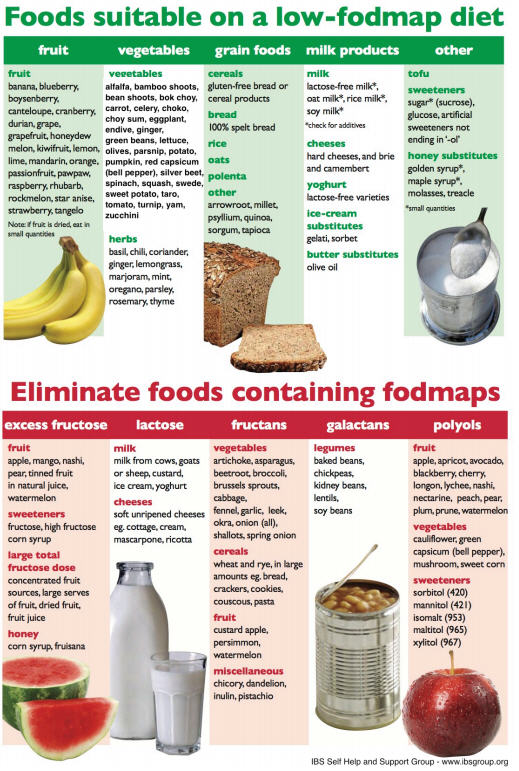
People with celiac disease may also have other food intolerances such as lactose or fructose intolerance, both of which can be diagnosed by a hydrogen breath test. Some research has shown that FODMAPs (fermentable oligosaccharides, disaccharides, monosaccharides and polyols) may be responsible for the symptoms of IBS (irritable bowel syndrome) and/or inflammatory bowel disease. Sufferers may benefit from a diet low in FODMAPs.

6.   Refractory Celiac Disease

Refractory celiac disease, also known as refractory sprue, affects up to 5% of people with celiac disease.  Unfortunately for this group of patients, the damage to the villi in the small intestine does not heal despite being on a gluten free diet. These patients are usually treated with steroids and immunosuppressant’s.
7.   Diabetes Type 1
Celiac disease and type 1 diabetes are genetically based disorders sharing similar genes (DQ2 and DQ8). That is why they both often occur in a susceptible individual. About 3.5 to 10 percent of individuals with celiac disease develop type 1 diabetes and vice versa. Diabetes is usually diagnosed first because the symptoms are more easily recognized and can be picked up with a general blood or urine test for sugar.

The symptoms for each mimic other diseases and therefore diagnosis can be quite confusing. If you suffer from any of the related symptoms it is critical to consult a doctor for a proper diagnosis.

Both diseases are activated by environmental triggers and have increased risk for other associated autoimmune diseases.

Summary 

So if you are totally sure that you are 100% gluten free, then it may be time to revisit your doctor because these other diseases could exist alongside your celiac disease. Your doctor may need to run other tests to determine to cause.
The University of Chicago, research center for celiac disease in the U.S., once posted that:
“While healing may take up to 2 years for many older adults, new research shows that the small intestines of up to 60% of adults never completely heal, especially when adherence to the diet is less than optimal”
This goes to show that being sure that you are on a 100% gluten free diet if you have celiac disease is critical.  Read more about how to achieve a 100% gluten free diet in my book about Gluten Free Cooking  


Saturday, 27 February 2016

How to Eat Gluten Free on a Budget

When you or a family member are first diagnosed with celiac disease one of the concerns most people have is the added financial burden of going gluten free. But it need not be that way. It is possible to eat a gluten free life on a budget. But it may take a bit more organisation.

Eating in and cooking from scratch is a trend now. And for those of who need to eat gluten free, it is possibly more necessary. When my daughter was diagnosed with celiac disease I decided to turn my whole kitchen into a gluten free zone and found it much easier and cheaper that way.


1. Buy grocery items on sale and stock up. Gluten free natural products such as beans. rice.http://www.assoc-amazon.com/e/ir?t=recipfromaglu-20&l=btl&camp=213689&creative=392969&o=1&a=B000G82L62 canned tomatoeshttp://www.assoc-amazon.com/e/ir?t=recipfromaglu-20&l=btl&camp=213689&creative=392969&o=1&a=B000LKZ9IC. canned soups and quinoa often come on sale. Also look out for specials on gluten free pasta, flour, soy sauce, cereals and other gluten free products. Stock up when you can. And buy GF pasta and flours in

2. Remember most natural products such as meat, fish, cheese, eggs, vegetables and fruits are gluten free so there is no added cost there. So your stable diet could consist entirely of meat, fruit and vegetables. Buy fruit and vegetables that are in season because they will be cheaper. You can buy in bulk and freeze them for use later. Shop at your local Farmers' market or the like for seasonal inspirations and budget friendly prices.


3. Make your own snacks instead of buying pre-packaged. Prepare your own dips. For example, you can make twice as much hummus for less than half the price.  Rice crackers are very cheap and are so tasty with dips or cheese

4. Use more potatoes and sweet potatoes for carbohydrates. They're amazingly versatile and gluten free. You can make a soul warming, and tummy filling leek and potato soup for very little investment. You can make a baked potato or a sweet potato the center of a meal rather than a side dish. Top them with cheese or chilli. Or stuff them with your favorite fillings. Easy and cheap. Buy them at your local Farmers Market.

5. Rice is also a cheap easy way to get carbohydrates – plain or fried, or make a delicious risotto. Use leftovers or chopped veggies to make a creative meal.

6. Eat eggs they are delicious and nutritious as well as cheap. Fried, scrambled, boiled, omelettes with your favorite fillings and quiche with left over veggies are all cheap and deliclious. Devil eggs make a great snack. Make egg and banana pancakes for a sweet (see recipe below). You don’t even need flour in them.

7. Gluten free pasta is god send. Even though gluten free pastahttp://www.assoc-amazon.com/e/ir?t=recipfromaglu-20&l=btl&camp=213689&creative=392969&o=1&a=B000FK63LK is more expensive than regular varieties you can often buy in bulk and save. I make all my sauces gluten free by thickening them with cornflour and using natural products. I then have TWO separate pots of pasta. One gluten free pasta for my celiac daughter and the other regular pasta for the rest of my family. This makes serving pasta to the family cheap and easy. Freeze some of the sauce for a quick meal later.

8. Make gluten free soup out of natural ingredients and it can save you. I  make it in a slow cooker to also  save energy costs. If making minestrone add gluten free pasta instead of regular pasta so the entire family can eat it..

9. Make your own broths and stocks- don't bother buying expensive gluten free broths and stocks. Make your own with water. Fill a pot. Toss in some old celery sticks that have been hanging around, a couple of bendy carrots, a piece of onion, some garlic and a shake of herbs. Sea salt. Cover. Simmer. Strain. Freeze in portions. And you know what's in it. There are also some relatively cheap commercial gluten free stocks available. have them as your basic item so that there is never a risk of a gluten mistake being made – make your life simpler!

10) Make your own gluten free cakes and biscuits from gluten free flour. Experiment with your current recipes and adapt them to using gluten free flour mix. Buy gluten free flour on special to reduce costs.

FLOURLESS PANCAKES! YUMMY!


2 eggs
1 banana
1 pinch baking powder 

Instructions:

1. Preheat a skillet.
2. Peel the banana and place in a bowl — mash well with a fork.
3. Add the eggs and baking powder mix well.
4. Grease the skillet with either butter, non-stick cooking spray, or coconut oil.
5. Ladle the batter into the skillet (about 2-3 tablespoons per pancake)
6. Cook till the underside is golden brown.
7. Flip the pancakes and do the same on the other side.
8. Transfer to a serving plate and repeat with remaining batter.

9. Serve immediately.

For more tips on how to be gluten free click here