Showing posts with label Gluten free. Show all posts

Thursday, 26 May 2016

Is Ice Cream Gluten Free?

A person newly diagnosed with celiac disease recently posted in a face book celiac group  that she felt sick every time she ate ice cream and she was wondering if she could also have an allergy to dairy. My response to her was that actually most ice cream brands contain gluten and like every other product on the supermarket shelves, a celiac must check the label. In Australia at least there are only a few brands which are actually gluten free.

It is hard to imagine someone putting gluten containing ingredients into ice cream but actually flour from wheat is in virtually all ice cream brands, not just the obvious ones like cookies-n-cream. And obviously ice cream cones contain gluten as well.


The basic dairy ingredients and sweeteners used to make ice cream are usually gluten free, as are, natural flavors such as vanilla, pure cocoa and fruits such as strawberries. Unfortunately, different ice cream brands will use different ingredients which do contain gluten, so it is absolutely essential that you read the label of the carton before purchasing.

For example, flour is often used to help thicken the mixture. Obviously, even a tiny bit is way too much for celiac, so it is important to check the labels of all brands – even the homemade ones brought in an ice cream shop. And even if you find a gluten free flavor – make sure there is no cross-contamination with other gluten-containing flavors and cones. Different ice cream flavors are often served with the same scoop all through the day; this means that the scoop has been in contact with the gluten-filled cookie dough flavor as well as the gluten free chocolate flavor.

Fortunately, this problem can be easily solved by asking the staff in the shop to serve your ice cream from a newly opened carton. At certain ice cream stores, the management reserves sanitized, unused ice cream scoops so that they can serve their gluten intolerant customers without endangering them with cross-contamination.

Never assume ice cream is gluten free (even a flavor that seems like it ought to be gluten-free, like simple vanilla or chocolate ice cream) unless you actually verify the ingredients.


If you have had a reaction to ice cream I suggest you stay off ice cream for a few weeks until you are feeling better. During this time find a gluten free brand you can eat. After the avoidance period reintroduce the gluten free ice cream into your diet. If you are not affected by it, then most probably the initial reaction was due to the gluten contamination in the ice cream itself. If you still react to it, the reaction could be due to the dairy and it would be wise to seek a diagnosis from your doctor. 

Thursday, 19 May 2016

A Family Approach To Celiac Disease Is Best

If you or a loved one is diagnosed with celiac disease the best approach to control it is a family one. The entire family needs to be involved in the changes required so that you can achieve the optimal result for the person who must be on a gluten free diet.

I am not suggesting that everyone needs to go on the gluten free diet, but that all the family is educated about the disease and the consequences for the celiac if a 100% gluten free diet is not maintained. All family members must but into the new systems that need to be put into place in the family kitchen to ensure it becomes a gluten free friendly environment, with no chance of cross contamination from a careless action in the kitchen.


Celiac disease is a serious digestive order that can run from one generation to another. The disease causes severe damage to the small intestines as a reaction to gliadin or a gluten protein, and results to inflammation and flattening of the lining of the small intestines. The person with Celiac disease is unable to absorb gluten, which is a group of protein common in wheat, rye, oats and barley.

There is no cure, hence, celiac disease imposes a gluten free diet for those who are affected for the rest of their lives. The home is the best place to start addressing the needs of the celiac. A family approach to knowing the disease and understanding how it affects everyday life will provide the battle gears for coping. This is especially helpful for the celiac, who needs all the support and guidance they can get.

A family that eats together heals together. This can be a reasonable motto for families afflicted with the history of Celiac disease. Several measures can already be taken if these families consider carefully their eating habits. One step is taking into heart what food to buy, grow, store, prepare or eat at any time of the day. By this, it is not just about ensuring that food is gluten free but also ensuring that the needed nutrients are sourced from other food groups.

The family can also seek help from dietitian for the information on gluten free foods. This includes help on how to read labels that may not specify gluten but contains it nonetheless. An example is hydrolyzed vegetable protein that may be sourced from wheat. Familiarization with these gluten free foods may be hard at first, but with the aid of a food diary and the collective memory of the family members, it will soon be easy.

Remember also that it is not just about knowing what to avoid, but rather knowing what to eat. For example, fruits are very much encouraged since these reduce other stressors to the digestive system, such as constipation. Further, in planning what meals to prepare and what other food to stock in the kitchen, the family can treat this as an opportunity to monitor and ensure balanced nutrition and sufficient calorie intake.

When my daughter was diagnosed with celiac disease I converted my kitchen into a gluten free safe zone. All the basic ingredients in the cupboard were gluten free varieties – soy sauce, stocks, icing sugar, vinegar, ice cream, cocoa, thickeners etc.  That meant when anyone was cooking a meal, accidental contamination with gluten was avoided.

If I was making pasta – the pasta sauce was gluten free and then I had 2 pots for the pasta. One for the gluten free pasta to go with the sauce and the other for the ordinary pasta for everyone else.  At Xmas I stuff the turkey with gluten free stuffing and make gravy with gluten free flour.  I have two toasters located on different benches – one bench for gluten free bread and the other for ordinary bread – remember cross contamination is a real problem for the celiac so crumbs from bread are a huge risk and must be kept separated. As far as butter and spreads go – I had one set for my celiac daughter marked with a big RED X and another set for everyone else. Everyone was taught not to double dip and introduce contaminating crumbs to the ones marked with the X.

It is important for the family to plan meals ahead. Children and teens should be part of the whole process of learning about gluten free food. To engage their interest and to ensure that they like what they eat, children and teens may be entrusted with the responsibility of choosing what gluten free meals to prepare. In this way, they would be able to prepare for food they can either eat at home or have as packed lunch or snacks.

But in cases when they have to buy food outside the home, knowledge about gluten free food is essential so they are able to discriminate which foods to buy. Most celiacs say that they biggest challenge they have is to eat out safely.

For young children with celiac disease, their parents can also talk to teachers about the food requirements of their children. Remember play-dough is also a problem for the celiac child and a gluten free variety needs to be sourced for them. I think it is easier and safer to have all the play-dough gluten free if a celiac child is playing. If a celiac child is attending a party or having a play date talk to the parents of their children’s friends, and explain the child’s dietary needs.

In the end, a realistic talk among family members is the best approach. Each member, especially the children and teens, needs to know the consequences of eating meals with gluten.  A 100% gluten free diet is essential to keep the celiac healthy and well.

Another important thing to remember is that celiac disease can run in families and if one member has been diagnosed then the entire family should be tested. It is a fact that around 80% of people with celiac disease do not know they have it, so there could be someone in the family sitting on a time bomb, so it is better to identify them and get them started on a gluten free diet as well. However it is important not to start on a gluten free diet until diagnosis has been completed because this can lead to a falsely negative test.

For more information on celiac disease and having a gluten free zone in your home check out my book - it is full of useful information and tips. http://www.cooking.what-is-gluten-free.org/


Monday, 2 May 2016

May 2016 Is Celiac Disease and Gluten Free Awareness Month

Make the most of Celiac Awareness Month 2016! 
How many ways can you spread awareness? 

It’s Celiac Awareness Month and that means it’s prime time for raising awareness in your communities and networks, we’re sharing all the  ways you can raise awareness and support the cause in May and all year long.
What if everyone you know took 60 seconds to learn more about celiac disease? And what if that 1 minute was enough to help others see that celiac disease is real, even if its effects can't always be seen on the surface?
This Celiac Awareness Month, we're on a mission to show people the faces of invisible illness, and how it impacts your lives each and every day. Check out this page http://www.beyondceliac.org/awarenessmonth
This article gives you 60 ways you can help to spread awareness:

60 Things to Do to Raise Celiac Disease Awareness | BeyondCeliac.org

And added TWO of my own !!! I want to make sure everyone knows what it takes to be gluten free.

AND 61 - Share my book with a local cafe or restaurant so that they prepare gluten free correctly http://ebook-cafes-restaurants.what-is-gluten-free.org/


AND 62 -  Share my gluten free book for the home with family and friends http://www.cooking.what-is-gluten-free.org/


Wednesday, 20 April 2016

Do Specific Gut Bacteria Have A Role In The Development Of Celiac Disease?


Celiac disease is an auto-immune disease in which a person reacts to gluten - a protein found in grains including rye, wheat, barley and also oats. It is estimated that about 1% of the American population has celiac disease. Around 80% of Americans with celiac disease are undiagnosed or misdiagnosed with other conditions.

When a person with celiac disease eats gluten, their immune system produces antibodies against gluten which can also causing damage to the small intestine. This leads to the symptoms of celiac disease including abdominal pain, diarrhea, bloating, malnutrition and fatigue. The only existing treatment for celiac disease is a gluten-free diet.

 A large proportion on people with celiac disease have a specific gene which pre-disposes them to celiac disease. Around 5-25% of people with celiac disease have a first-degree relative with the condition. But why is it that only a small proportion of individuals who are genetically susceptible to celiac disease actually develop the disorder?  Certain gene mutations are known to trigger celiac disease, yet, only 2-3% of people who possess such mutations actually develop the condition.

The answer to this has been uncertain, but recent study suggests it may be explained by how specific gut bacteria respond to gluten. Some researchers have proposed that the presence of specific gut bacteria may have a role in the development of celiac disease.

Dr. Elena F. Verdu, of the Digestive Health Research Institute at McMaster University in Canada, and her colleagues have investigated how the immune responses to gluten varies with different populations of gut bacteria in mouse models with gluten intolerance. Their findings were published in The American Journal of Pathology.

The team assessed three groups of mice that expressed a gene called DQ8, which is also found in humans and makes them genetically susceptible to gluten intolerance. Each group of mice had different gut bacteria compositions, or gut microbiomes. The researchers exposed each group of mice to the same amount of gluten.

  •  Group 1 mice were germ free
  • Group 2 mice had specific, pathogen-free flora which possessed a wide range of normal gut bacteria; their gut microbiomes were free of Proteobacteria; and did not have any opportunistic pathogens present
  •  Group 3 mice, also had specific, pathogen-free flora (as for group 2), but it also included Proteobacteria such as Escherichia coli and Helicobacter; and also included other opportunistic pathogens such as Staphylococcus and Streptococcus


Note:
  1.  The Proteobacteria are a major group of gram negative bacteria. They include a wide variety of pathogens, such as Escherichia, Salmonella, Vibrio, Helicobacter, and many other notable genera
  2. Opportunistic pathogens are bacteria which live normally on/in the body and cause disease in people with a compromised immune system or other pre-existing disease.
Gram negative bacilli

.           Results: Group 1 – The Germ Free Mice


The germ- free mice exhibited signs of celiac disease. The germ-free mice showed increased levels of intraepithelial lymphocytes in the gut. The proliferation and activation of intraepithelial lymphocytes is an early indicator of celiac disease. The germ-free mice also experienced increased death of cells called enterocytes that line the gastrointestinal tract, as well as anatomical alterations of the villi, the small, finger-like projections that line the small intestine.

The researchers also identified that the germ free mice in group 1 developed antibodies in response to gliadin, a component of gluten. These mice also demonstrated T-cell responses specific to this component.

Results: Groups 1 mice with specific, pathogen-free flora


Increased intraepithelial lymphocytes levels were not seen in group 2, the mice with specific, pathogen-free flora only

 Results: Groups 2 mice with specific, pathogen-free flora, Proteobacteria and opportunistic pathogens


The group 3 mice demonstrated greater gluten-induced pathology than the group 2 mice, according to the researchers, so the team set out to investigate whether the presence of Proteobacteria, such as Escherichia and Helicobacter, plays a role.

The team found that development of gluten-induced pathology was NOT halted if the mice were also inoculated with entero-adherent Escherichia coli isolated from a patient with celiac disease.

They found that the presence of Proteobacteria worsened gluten-induced pathology. On increasing the presence of Proteobacteria in new born mice, the researchers found that gluten-induced pathology got worse. Specifically, the team identified an increase in levels of intraepithelial lymphocytes.

Conclusions


"These studies demonstrate that perturbation of early microbial colonization in life and induction of dysbiosis (microbial imbalance inside the body), characterized by increased Proteobacteria, enhances the severity of gluten-induced responses in mice genetically predisposed to gluten sensitivity," says Dr. Verdu. "Importantly, our data argue that the recognized increase in celiac disease prevalence in the general population over the last 50 years could be driven, at least in part, by perturbations in intestinal microbial ecology. Specific microbiota-based therapies may aid in the prevention or treatment of celiac disease in subjects with moderate genetic risk."

In an editorial linked to the study, Dr. Robin G. Lorenz, of the University of Alabama at Birmingham, notes that while these findings suggest the presence of Proteobacteria may play an important role in celiac disease pathology, they do not mean that Proteobacteria causes the condition. An alternative, he suggests, is that Proteobacteria somehow boost the immune response to gluten or gliadin.


Friday, 1 April 2016

Is Coffee Gluten Free?


 Many people love to wake up to their morning cup of coffee. They simply cannot get going until that first cup has passed their lips. But is safe for celiacs to drink coffee? Coffee fanatics love the taste, they love the aroma and they love to routine; not to mention they love the morning caffeine hit. Some of my customers when I owned Bacio Café would come back for 3-4 cups in the morning!


Well the fact is that pure coffee beans are gluten free and perfectly safe for celiacs. You can buy them as beans or pure ground beans and they will be safe. If you make your coffee at home you are in control of what goes into it. And you can easily read the label on the packet to see if there are any other additives. Using organic, whole-bean is definitely recommended.

But it is a bit more difficult if you get your coffee from the local café, because the problem is that many coffees are NOT pure, not organic and they can pose a risk to the celiac. There is also a risk of gluten cross contamination if the barista does not understand what it means to be gluten free. I have highlighted some of the things to watch out for when ordering your coffee.


Many of the coffee flavorings also known as monins, such as caramel (caramel latte) and vanilla, (vanilla latte) are NOT gluten free. It is essential to check the label to ensure any additives to your coffee are gluten free.  This also applies to milkshake flavorings - they are often NOT gluten free either.

Plain unadulterated milk is also gluten free, but when it comes to soy milk you need to be very careful. Not all soy milk is gluten free, and so once again, you need to find out the brand you or your local café is using and check the label.

The other additive commonly added to coffee is chocolate, either sprinkled on the top of a cappuccino, or mixed in a mocha, or even just pure hot chocolate could be the source of gluten contamination so a celiac must check it all out. Not many baristas will be aware of the hidden sources of gluten when they make your coffee, mocha or hot chocolate so it is up to you to check it all out.

But recently, there have been some reports that perhaps those with celiac disease should not drink coffee. An article on Facebook titled “Gluten Issues or Celiac: Don’t Drink Coffee” reports:

“In a nutshell, fairly recent lab research has revealed that 10% of coffee is a protein that cross reacts with gluten antibodies.”

But is this really true?  If you’ve been eating a 100% gluten free diet and are still experiencing gluten related symptoms, the problem may be your coffee intake.  That being said, there are actually several foods that cause some sort of reaction in those who are sensitive to or intolerant of gluten. This is because the proteins in these foods are perceived by the body as invaders in the same way gluten is.

There are several foods that cause what’s called a gluten cross-reactivity in those who are sensitive to or intolerant of gluten. This is because the proteins in these foods are perceived by the body as invaders in the same way gluten is.

Dairy is the most common cross-reactive food for those with gluten issues, because of its casein proteins. But coffee also contains problematic proteins and the cross reaction to coffee has actually been found to be one of the most severe.

In a study published in Food and Nutritional Sciences, researchers found this reaction was limited to highly-processed coffee, such as instant coffee, ground coffee and flavoured coffee. What researchers believe is that the processing itself contributes to the problem because organic, whole-bean coffees do not produce cross-reactivity issues. While more research is needed, it’s thought that the proteins in coffee are changed in such a way during processing that the body perceives them as a threat, which causes the same inflammatory responses and symptoms as gluten in those that are sensitive or allergic to it. 

But this same reaction can also occur in people who do not have celiac disease so is it caused by a gluten reaction or a totally unrelated reaction to coffee proteins?  The processing of dairy products is also known to cause a gluten-like reaction due to the changes to dairy protein.

Common coffee symptoms include migraine, mental fogginess and fatigue. Unfortunately, when people experience these symptoms, they reach for yet another cup, which leads to more symptoms. Add to this the fact that most people also add some form of dairy to their coffee, and you now have two potential ways they could be having cross reactive gluten like inflammatory damage.

The possibility is that you are actually allergic to some other sort of food or coffee additive is also a possibility. Contaminants in the coffee could also be a cause of the symptoms.

Mycotoxins


Another possible problem with coffee is that they may be contaminated with mycotoxins. Coffee beans are often contaminated by a toxic mould known as ochratoxin A, which produces these mycotoxins. Roasting the coffee tends to reduce the natural levels. Most people do not react to it, but some others can have a severe reaction to it. It seems to affect people with celiac disease more often than the normal population. But once again this is not a reaction to gluten but a totally unrelated reaction.

Pesticides


Coffee crops are often heavily loaded with pesticides.  Pesticides can cause intestinal damage, leaky gut, and disrupt hormones (especially estrogen). That is why it is best to drink organic coffee only.

Caffeine


The caffeine content in coffee ranges from 100-200 mg per serve depending on the type and strength of the brew.  Caffeine is a common gastric irritant and can lead to mucosal degradation in the stomach and oesophagus. Some people who have gluten induced gastrointestinal damage may also have problems with regular coffee consumption.  Caffeine can also overstimulate the adrenal glands which can be very detrimental for someone already suffering with adrenal burnout or adrenal insufficiency.  You may need to eliminate caffeine for several months while your body is recovering.


It can be hard for people to pinpoint the problem, because pure coffee is a gluten free food.  So if you are not feeling better on a 100% gluten free diet coffee is a factor you need to consider. Stay off coffee for 2-3 weeks to allow the coffee residues to be eliminated from your body. Hopefully you will show some improvement.


Then do a challenge test by introducing coffee back into your diet. Start with just one cup in the morning, but make sure you use pure, organic, whole-bean coffee. If your symptoms diminished or went away entirely after a couple of weeks without coffee and your one cup of whole-bean coffee doesn’t produce any symptoms, then it’s safe to say that you can go back to your normal coffee intake, but stay away from instant and ground coffees and make sure that any flavorings and chocolate sprinkling is gluten free.


Using organic, whole-bean is definitely the better choice, and there are plenty of interesting and exotic organic beans for you to discover. The upside of this is that freshly ground coffee is superior in taste and aroma, and so, you can remove your symptoms and still enjoy a great cup of coffee. 

If you want to make sure your local cafe of restaurant is preparing your gluten free coffee and food correctly, pass on this book which details all the procedures they need to take to achieve 100% gluten free. Many of them certainly need this education to ensure you are safe!


BUY NOW


Saturday, 26 March 2016

Australia and NZ Have the Safest Gluten Free Labeling Requirements. But Are They Necessary?


NZ and Australia have the safest gluten free labeling requirements for celiacs in the world. But there is a lot of debate worldwide, as to what is a safe level of gluten for celiacs to consume, if any. Many countries have adopted 20 ppm as the level to adhere to on food labels, and less than 20 ppm is the accepted standard in many countries, including the USA, UK and Europe, for food manufacturers to adhere to.  The International CODEX standard, also defines ‘foods containing less than 20 ppm of gluten’ as safe and suitable for a celiac diet.


So are the strict gluten free labeling laws so necessary in Australia and NZ? These two countries continue to implement “no gluten detected” as the acceptable standard, Gluten is treated as an allergen under the Australia New Zealand Food Standards Code (ANZFSC). Standard 1.2.3 of the ANZFSC states that a food business must declare the presence of any gluten in its food product. Additionally, where a food product’s label claims that the product is ‘gluten free’, the ANZFSC, Standard 1.2.7 stipulates that ‘the food must not contain detectable gluten’.  
Australian regulators have a strict view on the regulation of allergens. Both the Australian Competition and Consumer Commission (the ACCC) and the New South Wales Food Authority (the NSWFA) have upheld an exacting interpretation of the term gluten free and require that in foods labelled as gluten free, gluten must be completely non-detectable. The consequence of a false claim on a gluten free label is usually a food recall.

Now, we would all have to agree that gluten free labeling requirements have been implemented for the protection and safety of those with celiac disease, but are the levels adopted by NZ an and Australia putting too big a burden on manufacturers to comply with such low level requirements, and does this in turn affect the celiac by forcing the price up for gluten free products which comply with the standards?
It is my view that consideration of market factors or profits must remain secondary to the necessity to provide safe food for the celiac. And this in turn means that the celiac has to pay higher prices for gluten free products that are safe for them to eat. All people who consume a gluten free diet are aware of the fact that they have to pay more, and in my opinion good health is worth the extra price, because what would be the cost of not eating gluten free compliant food?  The cost to your health would be way too high!
NZ and Australia currently have a fantastic variety of readily available gluten free foods that test well below 20 ppm, so obviously providing gluten free foods at this very low level is commercially viable. There is no reason why, especially as testing becomes more sensitive, that the status quo in NZ and Australia cannot be maintained.
Reducing the detectable level of gluten in foods on a global basis would be a good thing for the health of celiacs. But not everyone agrees with reducing the level of detection for gluten in foods.
Compliance with gluten free standards, even at current levels, is obviously not being regulated enough in some countries. There have been many scares lately about foods labelled gluten free which are actually not and have caused severe reaction in celiacs who have consumed them. If food manufacturers do not have the best interests of celiacs in mind they will be pushed out of the market especially if lower detection levels are implemented.
Also, many cafes and restaurants who have a gluten free menu do not really understand what it means to be gluten free and dining out is one of the biggest concerns that a celiac has. The fear of being “glutened” is a real threat for those with celiac disease, and yet very few countries regulate the level of gluten free on menus. The FDA says that given the public health significance of gluten free labeling, restaurants making a gluten free claim on their menus should be consistent with FDA's definition. In the UK the law relating to gluten applies to both packaged foods and to foods sold in catering establishments such as cafes and restaurants.
 Not all experts support the view that there is robust evidence that 20 ppm is actually a safe level for celiacs. Some argue that less than 10 milligrams per kilogram would be safer for celiacs.  The Health Hazard Assessment for GlutenExposure, recommends a level of less than 1ppm gluten in foods labelled gluten free “In summary, these findings indicate that a less than 1 ppm level of gluten in foods is the level of exposure for individuals with celiac disease on a gluten free diet that protects the most sensitive individuals with celiac disease and thus, also protects the most number of individuals with celiac disease from experiencing any detrimental health effects from extended to long-term exposure to gluten”.  It is interesting to note that the FDA did not adopt these recommendations. More research needs to be conducted to look into the safe levels for celiacs.

The Australian Food and Grocery Council (the AFGC) is proposing that Food Standards Australia & New Zealand (ANZFS) alter the standard of ‘gluten free’ in Australia. The AFGC wants ANZFS to allow a food to contain up to 20 milligrams of gluten per kilogram to still be called ‘gluten free’. This would bring the Australian regulation of ‘gluten free’ claims in line with British and European standards as well as the Codex.  This move is supported by Coeliac Australia.

One of the issues of having not detected as the standard is the lack of definition and definitive guidelines and it becomes a moving target. The ANZFS does not stipulate a threshold or a specific testing methodology in the gluten free standard. However, the definition of gluten free requires that gluten be ‘not detectable’. So what does that actually mean?

Trying to measure small amounts of material can be tricky. When testing products, some analytical services refer to a Limit of Detection (LOD) whereas others refer to a Limit of Quantitation (LOQ). The LOD is the level at which something can be detected with a level of certainty, while the LOQ is the level at which the amount of that something can be measured with a level of certainty. Most test results refer to a value that is less than the LOD or LOQ for the test method used, such as < 20 ppm of gluten detected. So what does not detected mean in the NZ and Australia?

Current testing methods can measure the level of gluten in food down to less than 3 parts per million (<3 ppm). Thus in NZ and Australia, foods advertised as being gluten free' and displaying the Crossed Grain symbol must not contain detectable gluten which can only be detected to <3 ppm.

As food testing technologies are constantly evolving, the levels of detection and quantitation are becoming lower and lower. On the one hand, this allows more certainty in measuring the presence of smaller quantities of a substance in a food product. However, one of the problems with testing at lower levels is the risk of cross contamination of the test itself, for example the presence of gluten in the air of a testing facility may be picked up as being present in the food product when in fact that might not be the case. The lower the detection limit of a test, the lower the certainty could be.

There are also important commercial and legal ramifications for the food industry if gluten free claims continue to be defined by lack of detection as in the ANZFS. It means they would have to use the latest method and the lowest detection levels possible. New tests will be able to detect minute traces of gluten (maybe as low as parts per billion) meaning that foods currently defined as gluten free may disappear.

This would be disastrous for people with celiac disease who rely on safe gluten free food as a medical necessity, not a lifestyle choice.  In fact, zero tolerance gluten rule limits food options for people with celiac disease and will eventually become unworkable as testing methods become extremely sensitive. A new definition of gluten free may give celiacs in NZ and Australia a wider food choice and do away with unnecessary food recalls.

So should the ANZFS re-define a safe and practical maximum level of gluten? Technically speaking this would be the right thing to do. If the ANZFS were to adopt the widely accepted worldwide trend, then ‘foods containing less than 20 ppm of gluten’ could be labelled as gluten free. Or if it were to keep to its current levels, then ‘foods containing less than 3 ppm of gluten’ would be considered to be gluten free.

It is my opinion that the level of detection must be stipulated in the gluten free standard and that NZ and Australia should be in line with the rest of the world. But whether this means NZ and Australia raising their levels, or the rest of the world lowering theirs is a matter for debate. I believe the safest practical testing level should be observed, and currently it has been proven that gluten free food can be manufactured and tested effectively at a level of <3 ppm, so I can see no reason why this should not be adopted as the new worldwide standard. No-one has really proven categorically what a safe level of gluten is and research into this matter needs to continue.


Saturday, 5 March 2016

Seven Reasons Someone With Celiac Disease May Not Be Responding To A Gluten Free Diet

If you have been diagnosed with celiac disease and have implemented a gluten free diet but you still experience symptoms, then you need to determine the reason why. Approximately 20% of people diagnosed with celiac disease will have persistent symptoms even after starting on a gluten free diet. There are many reasons for this but the seven most common are:

  1. Your Diet is Not 100% Gluten Free


The most common reason for persistent symptoms is that you continue to ingest gluten, either knowingly or unknowingly. Cross contamination due to improper food preparation techniques is one of the most likely causes of this. Even a crumb of gluten can make someone with celiac disease ill, so good kitchen procedures need to be implemented.
There are so many sources of “hidden” gluten that a person with celiac disease needs to be aware of. For example, if you take communion it will have gluten in it. My daughter has a specially prepared gluten free host administered to her by her priest. Check to make sure that your hair products and make-up are gluten free, especially lipstick which is easily licked and swallowed. If it is a child with celiac disease make sure they have gluten free playdoh and do not share other children’s food. Gluten is often in medicines as well so that is another source of gluten contamination.
Gluten is often hidden in foods you may not suspect so it is really important to learn how to read labels. Also a café of restaurant meal may be gluten contaminated even though it states it is gluten free on the menu, so only dine at cafes and restaurants you can trust. Celiacs are encouraged to meet with a dietitian knowledgeable about celiac disease and the gluten free diet to learn about the “hidden” source of gluten in food.  
 Read more about how to achieve a 100% gluten free diet in my book about Gluten Free Cooking http://www.cooking.what-is-gluten-free.org/

2.   Microscopic Colitis, Crohn’s Disease and Ulcerative Colitis

People with celiac disease have an increased incidence of microscopic colitis and inflammatory bowel disease such as Crohn’s disease and ulcerative colitis. Microscopic colitis is an inflammation of the colon, or large intestine; Crohn’s disease is a chronic inflammatory disease of the digestive tract and ulcerative colitis is type of inflammatory bowel disease that causes sores in the colon. A colonoscopy is required to diagnose these.

3.   Small Intestinal Bacterial Overgrowth (SIBO)

Bacterial overgrowth is a condition in which unusually large numbers of bacteria are present in the small intestine. The types of bacteria found in the small intestine are similar to the bacteria found in the colon. This is usually diagnosed by a hydrogen breath test.

4.   Pancreatic Insufficiency

Pancreatic insufficiency is the inability to properly digest food due to a lack of digestive enzymes made by the pancreas. This can be diagnosed by the measurement of enzymes in the stool.

5.   Other Food Intolerances

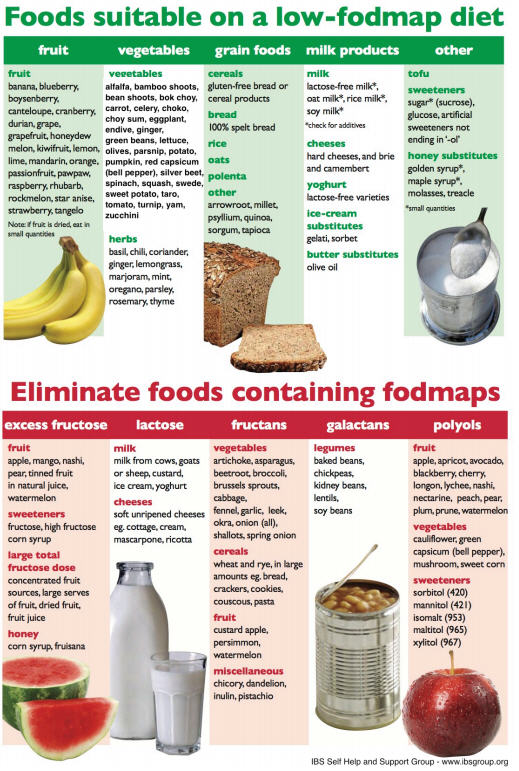
People with celiac disease may also have other food intolerances such as lactose or fructose intolerance, both of which can be diagnosed by a hydrogen breath test. Some research has shown that FODMAPs (fermentable oligosaccharides, disaccharides, monosaccharides and polyols) may be responsible for the symptoms of IBS (irritable bowel syndrome) and/or inflammatory bowel disease. Sufferers may benefit from a diet low in FODMAPs.

6.   Refractory Celiac Disease

Refractory celiac disease, also known as refractory sprue, affects up to 5% of people with celiac disease.  Unfortunately for this group of patients, the damage to the villi in the small intestine does not heal despite being on a gluten free diet. These patients are usually treated with steroids and immunosuppressant’s.
7.   Diabetes Type 1
Celiac disease and type 1 diabetes are genetically based disorders sharing similar genes (DQ2 and DQ8). That is why they both often occur in a susceptible individual. About 3.5 to 10 percent of individuals with celiac disease develop type 1 diabetes and vice versa. Diabetes is usually diagnosed first because the symptoms are more easily recognized and can be picked up with a general blood or urine test for sugar.

The symptoms for each mimic other diseases and therefore diagnosis can be quite confusing. If you suffer from any of the related symptoms it is critical to consult a doctor for a proper diagnosis.

Both diseases are activated by environmental triggers and have increased risk for other associated autoimmune diseases.

Summary 

So if you are totally sure that you are 100% gluten free, then it may be time to revisit your doctor because these other diseases could exist alongside your celiac disease. Your doctor may need to run other tests to determine to cause.
The University of Chicago, research center for celiac disease in the U.S., once posted that:
“While healing may take up to 2 years for many older adults, new research shows that the small intestines of up to 60% of adults never completely heal, especially when adherence to the diet is less than optimal”
This goes to show that being sure that you are on a 100% gluten free diet if you have celiac disease is critical.  Read more about how to achieve a 100% gluten free diet in my book about Gluten Free Cooking  


Saturday, 27 February 2016

How to Eat Gluten Free on a Budget

When you or a family member are first diagnosed with celiac disease one of the concerns most people have is the added financial burden of going gluten free. But it need not be that way. It is possible to eat a gluten free life on a budget. But it may take a bit more organisation.

Eating in and cooking from scratch is a trend now. And for those of who need to eat gluten free, it is possibly more necessary. When my daughter was diagnosed with celiac disease I decided to turn my whole kitchen into a gluten free zone and found it much easier and cheaper that way.


1. Buy grocery items on sale and stock up. Gluten free natural products such as beans. rice.http://www.assoc-amazon.com/e/ir?t=recipfromaglu-20&l=btl&camp=213689&creative=392969&o=1&a=B000G82L62 canned tomatoeshttp://www.assoc-amazon.com/e/ir?t=recipfromaglu-20&l=btl&camp=213689&creative=392969&o=1&a=B000LKZ9IC. canned soups and quinoa often come on sale. Also look out for specials on gluten free pasta, flour, soy sauce, cereals and other gluten free products. Stock up when you can. And buy GF pasta and flours in

2. Remember most natural products such as meat, fish, cheese, eggs, vegetables and fruits are gluten free so there is no added cost there. So your stable diet could consist entirely of meat, fruit and vegetables. Buy fruit and vegetables that are in season because they will be cheaper. You can buy in bulk and freeze them for use later. Shop at your local Farmers' market or the like for seasonal inspirations and budget friendly prices.


3. Make your own snacks instead of buying pre-packaged. Prepare your own dips. For example, you can make twice as much hummus for less than half the price.  Rice crackers are very cheap and are so tasty with dips or cheese

4. Use more potatoes and sweet potatoes for carbohydrates. They're amazingly versatile and gluten free. You can make a soul warming, and tummy filling leek and potato soup for very little investment. You can make a baked potato or a sweet potato the center of a meal rather than a side dish. Top them with cheese or chilli. Or stuff them with your favorite fillings. Easy and cheap. Buy them at your local Farmers Market.

5. Rice is also a cheap easy way to get carbohydrates – plain or fried, or make a delicious risotto. Use leftovers or chopped veggies to make a creative meal.

6. Eat eggs they are delicious and nutritious as well as cheap. Fried, scrambled, boiled, omelettes with your favorite fillings and quiche with left over veggies are all cheap and deliclious. Devil eggs make a great snack. Make egg and banana pancakes for a sweet (see recipe below). You don’t even need flour in them.

7. Gluten free pasta is god send. Even though gluten free pastahttp://www.assoc-amazon.com/e/ir?t=recipfromaglu-20&l=btl&camp=213689&creative=392969&o=1&a=B000FK63LK is more expensive than regular varieties you can often buy in bulk and save. I make all my sauces gluten free by thickening them with cornflour and using natural products. I then have TWO separate pots of pasta. One gluten free pasta for my celiac daughter and the other regular pasta for the rest of my family. This makes serving pasta to the family cheap and easy. Freeze some of the sauce for a quick meal later.

8. Make gluten free soup out of natural ingredients and it can save you. I  make it in a slow cooker to also  save energy costs. If making minestrone add gluten free pasta instead of regular pasta so the entire family can eat it..

9. Make your own broths and stocks- don't bother buying expensive gluten free broths and stocks. Make your own with water. Fill a pot. Toss in some old celery sticks that have been hanging around, a couple of bendy carrots, a piece of onion, some garlic and a shake of herbs. Sea salt. Cover. Simmer. Strain. Freeze in portions. And you know what's in it. There are also some relatively cheap commercial gluten free stocks available. have them as your basic item so that there is never a risk of a gluten mistake being made – make your life simpler!

10) Make your own gluten free cakes and biscuits from gluten free flour. Experiment with your current recipes and adapt them to using gluten free flour mix. Buy gluten free flour on special to reduce costs.

FLOURLESS PANCAKES! YUMMY!


2 eggs
1 banana
1 pinch baking powder 

Instructions:

1. Preheat a skillet.
2. Peel the banana and place in a bowl — mash well with a fork.
3. Add the eggs and baking powder mix well.
4. Grease the skillet with either butter, non-stick cooking spray, or coconut oil.
5. Ladle the batter into the skillet (about 2-3 tablespoons per pancake)
6. Cook till the underside is golden brown.
7. Flip the pancakes and do the same on the other side.
8. Transfer to a serving plate and repeat with remaining batter.

9. Serve immediately.

For more tips on how to be gluten free click here 


Saturday, 20 February 2016

Could The Increase In Autoimmune Diseases Be Related To The Increase In Processed Foods?

It is well documented that there has been an increase in auto-immune diseases over the last three decades. Epidemiological data provides strong evidence that autoimmune diseases are definitely on the rise throughout westernized societies. Autoimmune diseases such as multiple sclerosis, type 1 diabetes, Crohn's disease, systemic lupus erythematosus, primary biliary cirrhosis, myasthenia gravis, autoimmune thyroiditis, hepatitis and rheumatic disease, bullous pemphigoid, and celiac disease are examples.

The increased incidence of autoimmune diseases is a world-wide trend but is seen mainly in western countries. During this period there has also been an increase in the amount of processed foods available for sale, particularly in western countries.  Living in westernized countries has a significant influence on nutritional intake. The “Western diet” includes regular consumption of high fat, trans fatty acids, cholesterol, proteins, sugars, salt intake, as well as the regular consumption of processed and fast-foods. 

Major shifts in dietary patterns are continually occurring. In fact, some studies have shown that the contribution of ultra-processed food to total household diet has increased by about 50% over recent years, and has replaced the intake of unprocessed and minimally processed foods. Whilst because of socioeconomic conditions this is happening more in western countries, it is a world-wide process is happening in both developing as well as in developed countries.

It is thought that this increase in autoimmune diseases is caused by some sort of environmental impact rather than genetic factors. The two major environmental factors thought to play a role in the development of autoimmune diseases are infections and nutrition. When you consider the geo-epidemiological distribution of autoimmune diseases - the world-wide North–south and West–east gradients in Europe, their relationship to socioeconomic status, their rapid increase in developed countries and observations in migrant populations it is understandable that scientist believe that environmental factors are driving these recent and rapid evolutionary changes.

So is there a link between auto immune disease and processed foods? Could the use of industrial food additives explain the rising incidence of autoimmune diseases?

The intestinal epithelial barrier consists of an intercellular tight junction which controls the equilibrium between tolerance of a particular food and immunity to non-self-antigens. It is well known that tight junction dysfunction is common in many autoimmune diseases, where the body forms abnormal antibodies against self-antigens. This link is understandable when you think that only a single layer of epithelial cells separates the gut contents from the layer of immune cells in the intestinal wall which are responsible for the production of antibodies. If this single layer of protective epithelial cells is breached, it can lead to pathological exposure of the highly immune-reactive sub-epithelium, to the large number of foreign antigens found in our food.

The tight junctions in our intestine have multiple roles. They are dynamic structures that are involved in developmental, physiological and pathological processes in the gut. Via a barrier mechanism, they control the movement of fluid, macromolecules and leukocytes from the intestinal lumen to the blood stream and vice versa. They protect the epithelial cells of the intestine against colonization by microorganisms. Together with the gut-associated lymphoid tissue and the neuroendocrine network, the intestinal epithelial barrier, the tight junction also controls the equilibrium between tolerance and immunity to non-self-antigens and therefore they control the development of allergic responses and autoimmune responses to food.

It is not surprising, therefore, that if the function of the tight junction is affected, the physiological state of epithelial and/or endothelial cells is dramatically changed as well. Tight junction dysfunction seems to be a primary defect in people who have autoimmune diseases such as ulcerative colitis, Crohn's disease, celiac disease, inflammatory joint disease, ankylosing spondylitis, juvenile onset arthritis, psoriatic arthritis, type 1 diabetes mellitus and primary biliary cirrhosis. It is thought that in addition to genetic predisposition, the loss of the protective function of mucosal barriers that interact with the gut is necessary for autoimmunity to develop.


One hypothesis put forward in an article in Science Direct suggests that commonly used industrial food additives could cause some sort of dysfunction in the tight junction which allows leakage from the gut into the bloodstream.  The article suggests that food additives such as glucose, salt, emulsifiers, organic solvents, gluten, microbial transglutaminase, and nanoparticles which are extensively and increasingly used by the food industry may improve the qualities of food, but they may also increase intestinal permeability by breaching the integrity of tight junction paracellular transfer. This increased intestinal permeability through the opened tight junction, could therefore result in the entry of foreign immunogenic antigens such as gluten and activation of the autoimmune cascade.
.
So far there are seven food additives which when ingested regularly in large amounts, are known to induce or which are associated with increased intestinal permeability:
  1. Sugars (eg glucose)
  2. Salt
  3.  Emulsifiers and Surfactants
  4. Organic Solvents (eg ethanol)
  5.  Microbial transglutaminase (mTG). Transglutaminase is an extracellular enzyme and is biosynthesized by several microbes which is a very useful tool for modifying the functionality of proteins in food products.
  6. Gluten
  7.  Nanoparticles. Due to their unique properties and surface characteristics, can protect drugs from the destructive factors in the GI tract and can increase the permeability of macromolecules through the gastrointestinal barrier. 

Many of these additives can be combined, thus potentially combining their effect on tight junction permeability.

Summary


The diet of the industrialized and urbanized parts of the world today is vastly different from what it was even two or three decades ago, with a whole new range of processed and fast food experiences, which rely of food additives to improve taste and quality. There is also a number of genetically modified crops in use which this article has not addressed. Over recent decades, a significant increase in the incidence of autoimmune diseases in western and other industrialized countries has led to the hypotheses that diet is a potential environmental risk factor for such disorders. This article in the Science Direct http://www.sciencedirect.com/science/article/pii/S1568997215000245   has not definitively proven this link, evidence shows that increases in the usage of the abovementioned food additives have paralleled increased incidences and prevalence of autoimmune diseases during the last decades, as evidenced in the figure below. Where A and B (r2 = 0.9829, 0.886, respectively).


The parallel net increase % per year in various countries of: A. Food additives usage and B. AD frequencies over the last decades. Source Science Direct 

The confirmed facts are, however: 
  1. Incidence of autoimmune diseases and food additive consumption is increasing.
  2.  Commonly used industrial food additives enhance intestinal junction leakage.
  3.  Glucose, salt, emulsifier, gluten, microbial mTG, nanoparticle increase tight junction leakage.
It is easy to conclude, therefore, that the intestinal entry of foreign antigens due to increased tight junction permeability could be caused by the increased of food additives found in processed foods. In turn this could activate the autoimmune cascade which could indeed lead you to believe that the increase in autoimmune diseases is definitely related to the increase in processed foods. However, further research on food additives exposure causing intestinal permeability leading to autoimmune diseases is required to clarify our understanding of the common mechanisms associated with the causes of autoimmune diseases.

If you have celiac disease- one of the autoimmune diseases find out how to be gluten free effortlessly
 by clicking this link