Showing posts with label coeliac disease. Show all posts

Thursday, 9 June 2016

Bid’s Gluten Free Bird Bread


My friend Biddy gave me this great gluten free recipe which is the best thing for a tempting breakfast or treat. She says her family just love it and are always asking her to make it.


 This gluten free recipe requires:

1/5 cup of pumpkin seeds
1/5 cup of sesame seeds
1/5 cup of linseed seeds
¼cup of sunflower seeds
4/5 cup of corn meal
1 teaspoon of sea salt
1 cup of boiling water
1/5 cup of olive oil*

*Note: Alternatively, Biddy uses a wonderful oil that is lime and chili infused she gets from Zara on line. She thinks it is an amazing, wonderful product. When making for her family she often uses a good quality olive oil and ¼  tsp chili, ½ tsp of lime juice: have used half Parmesan for corn meal and don't forget cumin a good additive. Sometimes she doesn’t add any flavor.


Instructions


1)      Mix seeds and corn meal
2)      Add salt and oil
3)      Pour on boiling water and stir
4)      Divide mixture between two steel baking trays lined with baking paper
5)      Place another baking paper over top in order to roll out flat and thin with no holes and should fill to end of trays
6)      Bake at 1500C on fan bake for an hour
7)      Alternatively, Biddy has an incinerator so cooks 20 mins at 1500C, then 20 mins at 1300C and finally 20 mins at 1000C
8)      Watch your oven carefully because it burns easily

Once you get it, this is the easiest, simple, and tidy product to make. It keeps for ages airtight and it can be refreshed by reheating it. With products from retailers such as Binn Inn (NZ) it is extremely cost effective, it is modern eating, tastes good and is 1005 gluten free!  It is very expensive to buy anything like it.


Enjoy


Thursday, 2 June 2016

Why You Shouldn’t Go On A Gluten Free Diet Without Medical Advice


Being on a gluten free diet is all the rage at the moment and you may even be thinking of going on a one yourself. But before you do, there are some things to think about. Unless you are medically advised to do so, most people should not go on a gluten free diet.


A gluten free diet is essential for people with celiac disease, a serious autoimmune disorder that destroys the villi of the intestinal tract. Celiac disease affects about 1-2% of the population. There is no cure but symptoms can be reversed by taking gluten out of the diet. But the danger of self-diagnosing and taking gluten out of your diet prior to being diagnosed is that test results could be affected and you may end up with an inaccurate false negative test for celiac disease which could affect your long term health. An intestinal biopsy is the only way to detect celiac disease accurately.

There has been a lot of media hype about going on a gluten free diet. People tend to go on a gluten free diet because the think it will help their general well-being, or in response to feeling tired, bloated or depressed. They often find that reducing gluten correlates with improved feelings or losing weight. But this is more likely to be explained by the fact that they've cut out the excess calories found in many flour-based snack foods, and they mistakenly attribute feeling better to taking out the gluten.


Going gluten free is tough, and can be much more expensive. And not only that, it may lead to malnutrition if not managed properly. Studies have found that a gluten free diet can be seriously nutrient deficient such as low in fiber, iron, folate, niacin, thiamine, riboflavin, calcium, vitamin B12, phosphorus and zinc. That's because so many gluten free products are made with refined, unenriched grains and starches, which contain plenty of calories but very few vitamins or minerals. So starting on a gluten free diet needs to be done carefully ensuring that all your nutritional needs are met.

There is no truth either, in the assumption that a gluten free diet causes you to lose weight. In fact, the opposite is true, the extra calories can make you put on weight. So instead of going on an unnecessary gluten free diet, why don’t you cut down on carbohydrates and eat an apple or carrot instead.

The gluten free industry has sky rocketed, but unfortunately this has meant that there has been an explosion in gluten free junk foods which are not healthy and I hope you don't become a victim.

The other health consideration is that if you do not eat sufficient carbohydrates such as bread, you may develop ketosis, which is a metabolic state in which most of the body's energy supply comes from ketone bodies in the blood, in contrast to a state of glycolysis in which blood glucose provides most of the energy. High levels of ketosis are dangerous, but there is controversy about the effects of eliminating carbohydrates. Some say it is unhealthy and dangerous and others regard low level ketosis as a safe biochemical process that occurs during the fat-burning state.

Obviously people diagnosed with celiac disease or one of the other gluten related conditions have to be on a 100% gluten free diet for life. However, if you have not been told by a doctor or a dietitian that you need a gluten free diet, then you probably don’t need one.  
I suggest that instead of going gluten free you work on your nutrition and eat healthier foods as well as look at life balance as well as exercise and you may be surprised. The symptoms may vanish!

If you continue to suffer symptoms it is essential to see a doctor and/or specialist to have the cause of those symptoms accurately diagnosed. Don’t go on a gluten free diet until you have had a diagnosis confirmed. It is always a good idea to see a dietitian if you feel you have dietary issues you may need assistance with.

If you do need to go on a gluten free diet you may find my "Gluten Free Cooking Guide" helpful - It shows you how to achieve a 100% gluten free kitchen


Thursday, 26 May 2016

Is Ice Cream Gluten Free?

A person newly diagnosed with celiac disease recently posted in a face book celiac group  that she felt sick every time she ate ice cream and she was wondering if she could also have an allergy to dairy. My response to her was that actually most ice cream brands contain gluten and like every other product on the supermarket shelves, a celiac must check the label. In Australia at least there are only a few brands which are actually gluten free.

It is hard to imagine someone putting gluten containing ingredients into ice cream but actually flour from wheat is in virtually all ice cream brands, not just the obvious ones like cookies-n-cream. And obviously ice cream cones contain gluten as well.


The basic dairy ingredients and sweeteners used to make ice cream are usually gluten free, as are, natural flavors such as vanilla, pure cocoa and fruits such as strawberries. Unfortunately, different ice cream brands will use different ingredients which do contain gluten, so it is absolutely essential that you read the label of the carton before purchasing.

For example, flour is often used to help thicken the mixture. Obviously, even a tiny bit is way too much for celiac, so it is important to check the labels of all brands – even the homemade ones brought in an ice cream shop. And even if you find a gluten free flavor – make sure there is no cross-contamination with other gluten-containing flavors and cones. Different ice cream flavors are often served with the same scoop all through the day; this means that the scoop has been in contact with the gluten-filled cookie dough flavor as well as the gluten free chocolate flavor.

Fortunately, this problem can be easily solved by asking the staff in the shop to serve your ice cream from a newly opened carton. At certain ice cream stores, the management reserves sanitized, unused ice cream scoops so that they can serve their gluten intolerant customers without endangering them with cross-contamination.

Never assume ice cream is gluten free (even a flavor that seems like it ought to be gluten-free, like simple vanilla or chocolate ice cream) unless you actually verify the ingredients.


If you have had a reaction to ice cream I suggest you stay off ice cream for a few weeks until you are feeling better. During this time find a gluten free brand you can eat. After the avoidance period reintroduce the gluten free ice cream into your diet. If you are not affected by it, then most probably the initial reaction was due to the gluten contamination in the ice cream itself. If you still react to it, the reaction could be due to the dairy and it would be wise to seek a diagnosis from your doctor. 

Thursday, 19 May 2016

A Family Approach To Celiac Disease Is Best

If you or a loved one is diagnosed with celiac disease the best approach to control it is a family one. The entire family needs to be involved in the changes required so that you can achieve the optimal result for the person who must be on a gluten free diet.

I am not suggesting that everyone needs to go on the gluten free diet, but that all the family is educated about the disease and the consequences for the celiac if a 100% gluten free diet is not maintained. All family members must but into the new systems that need to be put into place in the family kitchen to ensure it becomes a gluten free friendly environment, with no chance of cross contamination from a careless action in the kitchen.


Celiac disease is a serious digestive order that can run from one generation to another. The disease causes severe damage to the small intestines as a reaction to gliadin or a gluten protein, and results to inflammation and flattening of the lining of the small intestines. The person with Celiac disease is unable to absorb gluten, which is a group of protein common in wheat, rye, oats and barley.

There is no cure, hence, celiac disease imposes a gluten free diet for those who are affected for the rest of their lives. The home is the best place to start addressing the needs of the celiac. A family approach to knowing the disease and understanding how it affects everyday life will provide the battle gears for coping. This is especially helpful for the celiac, who needs all the support and guidance they can get.

A family that eats together heals together. This can be a reasonable motto for families afflicted with the history of Celiac disease. Several measures can already be taken if these families consider carefully their eating habits. One step is taking into heart what food to buy, grow, store, prepare or eat at any time of the day. By this, it is not just about ensuring that food is gluten free but also ensuring that the needed nutrients are sourced from other food groups.

The family can also seek help from dietitian for the information on gluten free foods. This includes help on how to read labels that may not specify gluten but contains it nonetheless. An example is hydrolyzed vegetable protein that may be sourced from wheat. Familiarization with these gluten free foods may be hard at first, but with the aid of a food diary and the collective memory of the family members, it will soon be easy.

Remember also that it is not just about knowing what to avoid, but rather knowing what to eat. For example, fruits are very much encouraged since these reduce other stressors to the digestive system, such as constipation. Further, in planning what meals to prepare and what other food to stock in the kitchen, the family can treat this as an opportunity to monitor and ensure balanced nutrition and sufficient calorie intake.

When my daughter was diagnosed with celiac disease I converted my kitchen into a gluten free safe zone. All the basic ingredients in the cupboard were gluten free varieties – soy sauce, stocks, icing sugar, vinegar, ice cream, cocoa, thickeners etc.  That meant when anyone was cooking a meal, accidental contamination with gluten was avoided.

If I was making pasta – the pasta sauce was gluten free and then I had 2 pots for the pasta. One for the gluten free pasta to go with the sauce and the other for the ordinary pasta for everyone else.  At Xmas I stuff the turkey with gluten free stuffing and make gravy with gluten free flour.  I have two toasters located on different benches – one bench for gluten free bread and the other for ordinary bread – remember cross contamination is a real problem for the celiac so crumbs from bread are a huge risk and must be kept separated. As far as butter and spreads go – I had one set for my celiac daughter marked with a big RED X and another set for everyone else. Everyone was taught not to double dip and introduce contaminating crumbs to the ones marked with the X.

It is important for the family to plan meals ahead. Children and teens should be part of the whole process of learning about gluten free food. To engage their interest and to ensure that they like what they eat, children and teens may be entrusted with the responsibility of choosing what gluten free meals to prepare. In this way, they would be able to prepare for food they can either eat at home or have as packed lunch or snacks.

But in cases when they have to buy food outside the home, knowledge about gluten free food is essential so they are able to discriminate which foods to buy. Most celiacs say that they biggest challenge they have is to eat out safely.

For young children with celiac disease, their parents can also talk to teachers about the food requirements of their children. Remember play-dough is also a problem for the celiac child and a gluten free variety needs to be sourced for them. I think it is easier and safer to have all the play-dough gluten free if a celiac child is playing. If a celiac child is attending a party or having a play date talk to the parents of their children’s friends, and explain the child’s dietary needs.

In the end, a realistic talk among family members is the best approach. Each member, especially the children and teens, needs to know the consequences of eating meals with gluten.  A 100% gluten free diet is essential to keep the celiac healthy and well.

Another important thing to remember is that celiac disease can run in families and if one member has been diagnosed then the entire family should be tested. It is a fact that around 80% of people with celiac disease do not know they have it, so there could be someone in the family sitting on a time bomb, so it is better to identify them and get them started on a gluten free diet as well. However it is important not to start on a gluten free diet until diagnosis has been completed because this can lead to a falsely negative test.

For more information on celiac disease and having a gluten free zone in your home check out my book - it is full of useful information and tips. http://www.cooking.what-is-gluten-free.org/


Wednesday, 20 April 2016

Do Specific Gut Bacteria Have A Role In The Development Of Celiac Disease?


Celiac disease is an auto-immune disease in which a person reacts to gluten - a protein found in grains including rye, wheat, barley and also oats. It is estimated that about 1% of the American population has celiac disease. Around 80% of Americans with celiac disease are undiagnosed or misdiagnosed with other conditions.

When a person with celiac disease eats gluten, their immune system produces antibodies against gluten which can also causing damage to the small intestine. This leads to the symptoms of celiac disease including abdominal pain, diarrhea, bloating, malnutrition and fatigue. The only existing treatment for celiac disease is a gluten-free diet.

 A large proportion on people with celiac disease have a specific gene which pre-disposes them to celiac disease. Around 5-25% of people with celiac disease have a first-degree relative with the condition. But why is it that only a small proportion of individuals who are genetically susceptible to celiac disease actually develop the disorder?  Certain gene mutations are known to trigger celiac disease, yet, only 2-3% of people who possess such mutations actually develop the condition.

The answer to this has been uncertain, but recent study suggests it may be explained by how specific gut bacteria respond to gluten. Some researchers have proposed that the presence of specific gut bacteria may have a role in the development of celiac disease.

Dr. Elena F. Verdu, of the Digestive Health Research Institute at McMaster University in Canada, and her colleagues have investigated how the immune responses to gluten varies with different populations of gut bacteria in mouse models with gluten intolerance. Their findings were published in The American Journal of Pathology.

The team assessed three groups of mice that expressed a gene called DQ8, which is also found in humans and makes them genetically susceptible to gluten intolerance. Each group of mice had different gut bacteria compositions, or gut microbiomes. The researchers exposed each group of mice to the same amount of gluten.

  •  Group 1 mice were germ free
  • Group 2 mice had specific, pathogen-free flora which possessed a wide range of normal gut bacteria; their gut microbiomes were free of Proteobacteria; and did not have any opportunistic pathogens present
  •  Group 3 mice, also had specific, pathogen-free flora (as for group 2), but it also included Proteobacteria such as Escherichia coli and Helicobacter; and also included other opportunistic pathogens such as Staphylococcus and Streptococcus


Note:
  1.  The Proteobacteria are a major group of gram negative bacteria. They include a wide variety of pathogens, such as Escherichia, Salmonella, Vibrio, Helicobacter, and many other notable genera
  2. Opportunistic pathogens are bacteria which live normally on/in the body and cause disease in people with a compromised immune system or other pre-existing disease.
Gram negative bacilli

.           Results: Group 1 – The Germ Free Mice


The germ- free mice exhibited signs of celiac disease. The germ-free mice showed increased levels of intraepithelial lymphocytes in the gut. The proliferation and activation of intraepithelial lymphocytes is an early indicator of celiac disease. The germ-free mice also experienced increased death of cells called enterocytes that line the gastrointestinal tract, as well as anatomical alterations of the villi, the small, finger-like projections that line the small intestine.

The researchers also identified that the germ free mice in group 1 developed antibodies in response to gliadin, a component of gluten. These mice also demonstrated T-cell responses specific to this component.

Results: Groups 1 mice with specific, pathogen-free flora


Increased intraepithelial lymphocytes levels were not seen in group 2, the mice with specific, pathogen-free flora only

 Results: Groups 2 mice with specific, pathogen-free flora, Proteobacteria and opportunistic pathogens


The group 3 mice demonstrated greater gluten-induced pathology than the group 2 mice, according to the researchers, so the team set out to investigate whether the presence of Proteobacteria, such as Escherichia and Helicobacter, plays a role.

The team found that development of gluten-induced pathology was NOT halted if the mice were also inoculated with entero-adherent Escherichia coli isolated from a patient with celiac disease.

They found that the presence of Proteobacteria worsened gluten-induced pathology. On increasing the presence of Proteobacteria in new born mice, the researchers found that gluten-induced pathology got worse. Specifically, the team identified an increase in levels of intraepithelial lymphocytes.

Conclusions


"These studies demonstrate that perturbation of early microbial colonization in life and induction of dysbiosis (microbial imbalance inside the body), characterized by increased Proteobacteria, enhances the severity of gluten-induced responses in mice genetically predisposed to gluten sensitivity," says Dr. Verdu. "Importantly, our data argue that the recognized increase in celiac disease prevalence in the general population over the last 50 years could be driven, at least in part, by perturbations in intestinal microbial ecology. Specific microbiota-based therapies may aid in the prevention or treatment of celiac disease in subjects with moderate genetic risk."

In an editorial linked to the study, Dr. Robin G. Lorenz, of the University of Alabama at Birmingham, notes that while these findings suggest the presence of Proteobacteria may play an important role in celiac disease pathology, they do not mean that Proteobacteria causes the condition. An alternative, he suggests, is that Proteobacteria somehow boost the immune response to gluten or gliadin.


Wednesday, 13 April 2016

Is Chocolate Gluten-Free?


Discovering you need to have a gluten-free diet can be overwhelming and you can become unsure about what you can and can’t eat. I had to search the town this Easter to find her an Easter egg that was gluten-free. I found one eventually in a delicatessen. The fact is that my celiac daughter loves chocolate, but the question is – Is chocolate gluten-free or does it contain gluten? The answer is that it depends on the chocolate and you must check the label.


Not all chocolate can be included in your gluten-free diet, even if gluten isn’t listed as a deliberate ingredient on the ingredients list. But chocoholics don’t despair — there are some gluten-free chocolate candies on the market. Although many chocolate products you see in stores won't be considered gluten-free, it's still possible to get your chocolate fix even if you're following a strict gluten-free diet by checking the labels carefully.

Do not purchase any chocolate with gluten ingredients, or labels which say ‘manufactured in the same facility where gluten has been processed”, or ‘may contain gluten” statements, because the manufacturer has decided that there is a risk that the product could be contaminated with gluten. With this in mind, it’s important that you carefully select your chocolate products to make sure they are gluten-free and safe for your diet.

Pure chocolate (usually dark chocolate) and cocoa beans do not contain gluten. Pure, unsweetened chocolate, made by liquefying roasted cacao beans and containing nothing but those roasted beans, should be completely gluten-free. But pure, unsweetened chocolate also doesn't taste very good so manufacturers add sweeteners to it.
To make the purest version of the sweetened, smooth candy we know as "chocolate," manufacturers take what's called "chocolate liquor" which is the liquefied cacao beans or "cocoa mass" and blend it with cocoa butter (fat from the cacao beans), plus sugar. All of which should be gluten-free. Some of the highest-quality chocolates available include only these three ingredients, and it's this combination that makes " dark chocolate" such a taste sensation.


High quality milk chocolate contains these same three ingredients but also has just powdered milk added. These 4 ingredients should be gluten free.
But unfortunately, the problem is that most chocolate brands are often mixed with ingredients that do contain gluten. For example, a chocolate candy bar that contains a wafer or other ingredient made from wheat would definitely contain gluten, whereas a plain chocolate bar, or a chocolate bar containing fruit and nuts may not.

Gluten containing ingredients that may be added to chocolate bars, include pretzels, cookies, maltodextrin from wheat and barley malt. So when buying chocolate, it is important to always READ THE LABEL to check for signs of wheat, barley, rye or oats and their derivatives.   It is not very often that a manufacturer will claim that their chocolate is gluten free.

For example, one of my favorite chocolate brands is Lindt Chocolates, but unfortunately a celiac cannot eat it because Lindt uses barley malt which does contain gluten in many of its products.

Cross Contamination


Not only can chocolate contain gluten if gluten containing ingredients are added, it may also contain gluten if it is contaminated with wheat, barley or rye during processing. For example, if a chocolate bar is manufactured on the same equipment as liquorice, which usually contains wheat, it may contain trace amounts of gluten picked up on the equipment. For this reason, many companies that produced wheat products in their facility do not label their chocolate as “gluten-free.”

For example, two of the big chocolate producers Nestle and Cadbury provide lists of products that contain no gluten ingredients. They produce numerous products that do not have gluten ingredients. But keep in mind that both of these companies also produce products that contain gluten ingredients, so cross contamination may be an issue.
In fact, Cadbury has updated their packaging to say 'may contain wheat or gluten'. This means that is it no longer deemed gluten free or safe to eat, for a person requiring a gluten-free diet.  

Certified Gluten-Free Products


A few chocolate products are certified gluten-free by Gluten Free Certification Organizations, which inspect facilities and test products to ensure they are gluten-free. Chocolate labelled “gluten-free” must meet the gluten-free standard for gluten-free labeling regulated in the country it is to be sold. In most countries this is less than 20 parts per million of gluten. But some countries such as Australia and NZ have tighter limits.

For example, Haigh’s chocolates in Australia make a range of “Free Of Gluten” chocolates.

Other Confectionery.


So much confectionery is off limits to a celiac due to gluten being used in the actual product and/or the manufacturing process.  Cross contamination seems to be a big concern for most candy manufacturers. So the same rules discussed with chocolate apply to confectionery. 

Chocolate Drinks


Pure cocoa powder is gluten-free but hot chocolate powders, chocolate sprinkles and toppings for cappuccinos need to be checked because they often contain gluten. Also milkshake syrups are often not gluten free so you need to check the ingredients for these as well.

An the question is does your local cafe know what it means to be 100% gluten-free? I have prepared this book to show them how! Click Here to access


Saturday, 19 March 2016

The 5 Mistakes People Need To Avoid When Going On A Gluten Free Diet

Whether it’s due to celiac disease, autoimmune disease, an allergy or simply a desire to eat better, more and more people are taking on a gluten free diet. This can have an enormous impact on your health overall, but only if you do it correctly.
If you do not remove 100% of the gluten in your diet, you won’t get the full benefits and, especially if you have celiac disease of one of the related conditions, you may continue to have symptoms from the very trace amounts of gluten you may not realize you are still consuming.


Here is how to avoid five of the main mistakes people make when going on a gluten free diet:

1. Learn Which Foods Besides Wheat Contain Gluten

This is a really important first step when starting on a gluten free diet. You probably know that gluten is a protein in wheat, but it is also found in rye and barley, and it is debatable whether it is also found it oats.  It is important to read the label of every processed product you buy because a lot of products have hidden gluten in them.
Remember the acronym "BROW" when reading labels; it stands for barley, rye, oats and wheat. When you first start on a gluten free diet , you’ll probably eliminate wheat based foods like bread and pasta, but did you know that gluten is also found in soy sauce, licorice and artificial crab? Learn the common and not-so-common sources of gluten and read labels carefully.

2. Do Not Overeat Processed Foods On Your Gluten Diet

Overeating processed foods is never good for you especially if you are on a gluten free diet. Gluten free food products are sold everywhere these days, which certainly makes changing to a gluten free diet easier for some people. However, these processed products are often less nutritious than their gluten containing counterparts. Gluten free breads, crackers, cookies and other processed foods often contain high levels of starch and sugar. Many people with celiac disease may also have diabetes I so you do not want to challenge your blood sugar, promote inflammation or put on weight.
Processed foods may not be 100% gluten free because by law they can contain up to 20 ppm (parts per million) of gluten. This tiny amount is not enough to trigger a reaction from a single serving, but if you are eating large amounts of “gluten free foods” like cereal, bread and pasta for every meal, you could be ingesting enough gluten, accumulatively, to impair the progress of your gluten free diet.

Like all processed foods eat in moderation.

3. Focus On High Quality Gluten Free Foods.

Many people start a gluten free diet because of a particular health issue such as being diagnosed with celiac disease. The person’s gastrointestinal system is damaged and they need to focus on eating healthily to allow the damage to heal. It is not enough to simply replace gluten containing processed foods with gluten free processed foods.
If you have been unwell for a sometime, your body may be deficient in micronutrients, minerals and vitamins, so it is best to put the emphasis on fresh natural products foods that are naturally gluten free like meat, eggs, fish, vegetables, fruit, nuts and seeds to help replenish your stores.
These foods help reduce inflammation (unlike high starch gluten-free foods which promote inflammation) and in conjunction with the elimination of gluten can have a huge impact on how you feel overall.

 4. Make Sure Your Personal Care Products, Cosmetics, Vitamins, Supplements and Medicines are Gluten Free

Hidden gluten can be found in the oddest of places such as in personal care products, cosmetics, vitamins, supplements and medicines This might not seem as obvious to people who aren’t used to dealing with food allergies, but it’s a common source of accidental gluten. Even though there is no scientific evidence to prove gluten is absorbed through your skin, these products can be a source of gluten contamination even if you are not you aren’t eating them. Be particularly careful with eye and lip products, as they sometimes contain vitamin E that is derived from wheat germ.
Check the labels on your vitamins, supplements and check with your pharmacist for ingredients of any prescription medication you take. Gluten is found in everything from iron supplements to headache medication, and it’s important to read the labels each and every time.

5. Learn About Cross Contamination

Before you first go on a gluten free diet, it’s hard to understand the need to be 100% gluten free, and how even a little gluten can trigger a reaction. Gluten free foods made on shared production lines or prepared in the same kitchen as gluten containing foods run the risk of being cross contaminated with gluten. It takes as little as 20 ppm of gluten to trigger a reaction in people with celiac disease. To be on a 100% gluten free diet, food needs to be stored, prepared and served separately.
When first going on a gluten free diet, it is advisable to get new condiments that are free of crumbs, a new toaster, new cutting boards and make sure that you have super clean cooking surfaces. Do not share food prep surfaces, cooking surfaces or utensils with gluten containing foods. When eating in restaurants, be sure to ask about their allergy protocol and don’t be shy about asking about ingredients in seasonings and dressings.

Now that you know the top five mistakes to avoid when going on a gluten free diet you may want to learn more, or have a handy resource you’re your family and friend to learn how to be 100% gluten free. I have written a resource book on how to be 100% gluten free which you can purchase by clicking the following link:


Saturday, 12 March 2016

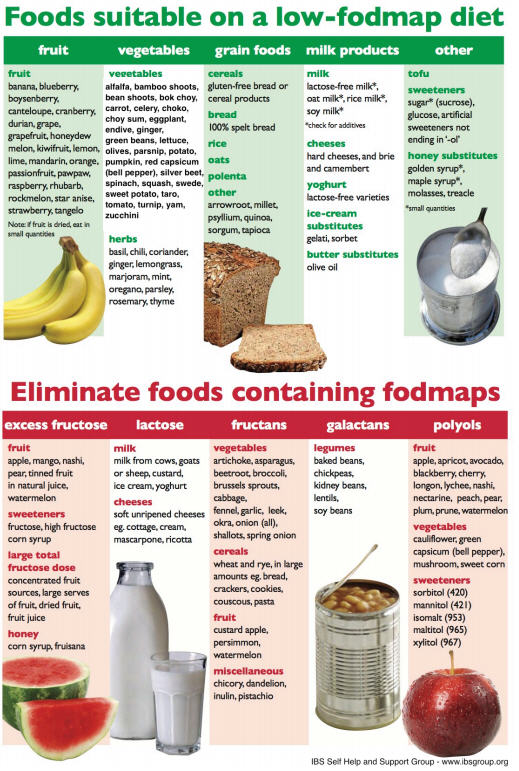
Is It Gluten or FODMAP's Which Causes Self-Diagnosed Non-Celiac Gluten Sensitivity?

Gluten sensitive individuals cannot tolerate gluten and may develop gastrointestinal symptoms similar to those in celiac disease, but the overall clinical picture is typically less severe. Non-celiac gluten sensitivity refers to an adverse reaction to eating gluten that usually does not lead to damage of the small intestine.

Non-celiac gluten sensitivity was virtually unrecognized a decade ago but is now a perplexing problem that has driven many studies in the past few years. Its prevalence appears to be more wide spread than celiac disease itself.  It was a topic of hot debate at the International Celiac Disease Symposium in late 2013, where it was widely debated if the frequency of gluten sensitivity is really due to gluten, or whether other factors and food culprits could be part of the cause.

For people with self-diagnosed non-celiac gluten sensitivity, it may not be gluten which is causing their problem. An Australian researcher into gluten sensitivity, Peter Gibson, of Melbourne's Monash University believes that people who get relief with a gluten free diet, do so because they avoid FODMAPs rather than gluten itself. ''What our study has shown is that, in people with gut symptoms who have had some relief with the gluten free diet, it is not the gluten that is the culprit, but it is more likely to be FODMAPs,'' Gibson says. 

FODMAP’s stands for Fermentable, Oligosaccharides, Disaccharides, Monosaccharides And Polyols. They are all short-chain carbohydrates found in many foods, particularly in the western diet,  which can be poorly absorbed by some people. They are in particularly high amounts in wheat, rye and barley, the three cereals that contain gluten. So researchers are curious whether the benefits of the gluten-free diet among people with gluten sensitivity may actually be a result of reducing FODMAP intake.
Examples of oligosaccharides include fructans (polymers of fructose); disaccharides include lactose; monosaccharides include fructose; and polyols include sugar alcohols such as sorbitol and mannitol.

Poor absorption of most FODMAP carbohydrates is common to everyone. Any FODMAPs that are not absorbed in the small intestine pass into the large intestine large where bacteria normally found in the gut ferment them. The resultant production of gas potentially results in bloating and flatulence. Most individuals do not suffer significant symptoms but some may suffer the symptoms of IBS. Restriction of FODMAP intake in IBS sufferers has been found to result in improvement of symptoms.

As for people mistakenly believing they are gluten sensitive, Gibson suggested that there were two other possible explanations, other than gluten sensitivity itself which could be making them feel better on a gluten free diet:

1.   People felt better for avoiding wheat and gluten products because of their high percentage of FODMAPs. He suggests that FODMAPs might be the factor leading to the symptoms such as bloating and gut distress, rather than gluten itself. Gibson says, 'Why gluten has been blamed is that people do often improve with a gluten free diet because wheat, rye and barley, the three cereals that contain gluten, all have high amounts of FODMAPs in them.” 

2.   Gibson also believes people may report improvements on a gluten free diet because it makes them quite literally ''feel better'', even if their gastro-intestinal symptoms do not improve. Current evidence suggests that many patients with self-reported non-coeliac gluten sensitivity continue to experience gastrointestinal symptoms on a gluten free diet but continue to restrict gluten as they report 'feeling better'. Gibson suggests that 'It may be that people with gut symptoms feel better on the gluten-free diet because they are less depressed.


However, when considering the involvement of FODMAPs in non-celiac gluten sensitivity, it is important to remember that FODMAPs are found in a variety of other foods as well, like onions, broccoli, beans, apples and milk.  All of these foods can be difficult for some people to digest and cause gastrointestinal symptoms as well, but do people with non-celiac gluten sensitivity react to these products as well?
Recent research has revealed that gluten or wheat sensitivity occurs in approximately 30% of people with IBS (Irritable Bowel Syndrome), a prevalence rate that is much higher than in the general population. So should IBS be included as part of the spectrum of gluten sensitivity disorders? While some people with IBS may benefit from a gluten free diet it isn’t the solution for all people with IBS, and there are other factors to uncover.
Dietitian Susan Shepherd developed the low FODMAP diet in 1999 as a treatment for IBS, and over the last several years it has gained significant attention among both patients and researchers for effectiveness. A study published in June 2013 found that, in some people with gluten sensitivity and IBS, reducing the intake of FODMAPs alleviated symptoms better than a gluten free diet. However, other studies found that people with IBS and gluten sensitivity reported improved symptoms on a gluten free diet, and the benefits remained even when high FODMAP foods like beans were reintroduced.
What these studies on IBS and FODMAPs demonstrate is that what works for one person may not work for another, and each person needs to have an individualized dietary plan that suits them. Whether the symptoms are caused by gluten or by FODMAPs the important thing for the sufferer is know which foods affect them and to avoid those foods.
From my personal experience with my own family that makes sense. Peppermint makes me sneeze, capsicum makes me vomit, my eldest daughter has sub-acute lupus so has to avoid any viral infections, my second daughter is allergic to nickel and cannot eat seafood, my third daughter has celiac disease so of cause cannot eat gluten and my son has a skin reaction to the sun. So we are all of the same DNA but all have our peculiarities as far as allergies etc. are concerned.  We just cater for everyone’s needs and it is not a problem at all.

Saturday, 5 March 2016

Seven Reasons Someone With Celiac Disease May Not Be Responding To A Gluten Free Diet

If you have been diagnosed with celiac disease and have implemented a gluten free diet but you still experience symptoms, then you need to determine the reason why. Approximately 20% of people diagnosed with celiac disease will have persistent symptoms even after starting on a gluten free diet. There are many reasons for this but the seven most common are:

  1. Your Diet is Not 100% Gluten Free


The most common reason for persistent symptoms is that you continue to ingest gluten, either knowingly or unknowingly. Cross contamination due to improper food preparation techniques is one of the most likely causes of this. Even a crumb of gluten can make someone with celiac disease ill, so good kitchen procedures need to be implemented.
There are so many sources of “hidden” gluten that a person with celiac disease needs to be aware of. For example, if you take communion it will have gluten in it. My daughter has a specially prepared gluten free host administered to her by her priest. Check to make sure that your hair products and make-up are gluten free, especially lipstick which is easily licked and swallowed. If it is a child with celiac disease make sure they have gluten free playdoh and do not share other children’s food. Gluten is often in medicines as well so that is another source of gluten contamination.
Gluten is often hidden in foods you may not suspect so it is really important to learn how to read labels. Also a cafĂ© of restaurant meal may be gluten contaminated even though it states it is gluten free on the menu, so only dine at cafes and restaurants you can trust. Celiacs are encouraged to meet with a dietitian knowledgeable about celiac disease and the gluten free diet to learn about the “hidden” source of gluten in food.  
 Read more about how to achieve a 100% gluten free diet in my book about Gluten Free Cooking http://www.cooking.what-is-gluten-free.org/

2.   Microscopic Colitis, Crohn’s Disease and Ulcerative Colitis

People with celiac disease have an increased incidence of microscopic colitis and inflammatory bowel disease such as Crohn’s disease and ulcerative colitis. Microscopic colitis is an inflammation of the colon, or large intestine; Crohn’s disease is a chronic inflammatory disease of the digestive tract and ulcerative colitis is type of inflammatory bowel disease that causes sores in the colon. A colonoscopy is required to diagnose these.

3.   Small Intestinal Bacterial Overgrowth (SIBO)

Bacterial overgrowth is a condition in which unusually large numbers of bacteria are present in the small intestine. The types of bacteria found in the small intestine are similar to the bacteria found in the colon. This is usually diagnosed by a hydrogen breath test.

4.   Pancreatic Insufficiency

Pancreatic insufficiency is the inability to properly digest food due to a lack of digestive enzymes made by the pancreas. This can be diagnosed by the measurement of enzymes in the stool.

5.   Other Food Intolerances

People with celiac disease may also have other food intolerances such as lactose or fructose intolerance, both of which can be diagnosed by a hydrogen breath test. Some research has shown that FODMAPs (fermentable oligosaccharides, disaccharides, monosaccharides and polyols) may be responsible for the symptoms of IBS (irritable bowel syndrome) and/or inflammatory bowel disease. Sufferers may benefit from a diet low in FODMAPs.

6.   Refractory Celiac Disease

Refractory celiac disease, also known as refractory sprue, affects up to 5% of people with celiac disease.  Unfortunately for this group of patients, the damage to the villi in the small intestine does not heal despite being on a gluten free diet. These patients are usually treated with steroids and immunosuppressant’s.
7.   Diabetes Type 1
Celiac disease and type 1 diabetes are genetically based disorders sharing similar genes (DQ2 and DQ8). That is why they both often occur in a susceptible individual. About 3.5 to 10 percent of individuals with celiac disease develop type 1 diabetes and vice versa. Diabetes is usually diagnosed first because the symptoms are more easily recognized and can be picked up with a general blood or urine test for sugar.

The symptoms for each mimic other diseases and therefore diagnosis can be quite confusing. If you suffer from any of the related symptoms it is critical to consult a doctor for a proper diagnosis.

Both diseases are activated by environmental triggers and have increased risk for other associated autoimmune diseases.

Summary 

So if you are totally sure that you are 100% gluten free, then it may be time to revisit your doctor because these other diseases could exist alongside your celiac disease. Your doctor may need to run other tests to determine to cause.
The University of Chicago, research center for celiac disease in the U.S., once posted that:
“While healing may take up to 2 years for many older adults, new research shows that the small intestines of up to 60% of adults never completely heal, especially when adherence to the diet is less than optimal”
This goes to show that being sure that you are on a 100% gluten free diet if you have celiac disease is critical.  Read more about how to achieve a 100% gluten free diet in my book about Gluten Free Cooking  


Saturday, 20 February 2016

Could The Increase In Autoimmune Diseases Be Related To The Increase In Processed Foods?

It is well documented that there has been an increase in auto-immune diseases over the last three decades. Epidemiological data provides strong evidence that autoimmune diseases are definitely on the rise throughout westernized societies. Autoimmune diseases such as multiple sclerosis, type 1 diabetes, Crohn's disease, systemic lupus erythematosus, primary biliary cirrhosis, myasthenia gravis, autoimmune thyroiditis, hepatitis and rheumatic disease, bullous pemphigoid, and celiac disease are examples.

The increased incidence of autoimmune diseases is a world-wide trend but is seen mainly in western countries. During this period there has also been an increase in the amount of processed foods available for sale, particularly in western countries.  Living in westernized countries has a significant influence on nutritional intake. The “Western diet” includes regular consumption of high fat, trans fatty acids, cholesterol, proteins, sugars, salt intake, as well as the regular consumption of processed and fast-foods. 

Major shifts in dietary patterns are continually occurring. In fact, some studies have shown that the contribution of ultra-processed food to total household diet has increased by about 50% over recent years, and has replaced the intake of unprocessed and minimally processed foods. Whilst because of socioeconomic conditions this is happening more in western countries, it is a world-wide process is happening in both developing as well as in developed countries.

It is thought that this increase in autoimmune diseases is caused by some sort of environmental impact rather than genetic factors. The two major environmental factors thought to play a role in the development of autoimmune diseases are infections and nutrition. When you consider the geo-epidemiological distribution of autoimmune diseases - the world-wide North–south and West–east gradients in Europe, their relationship to socioeconomic status, their rapid increase in developed countries and observations in migrant populations it is understandable that scientist believe that environmental factors are driving these recent and rapid evolutionary changes.

So is there a link between auto immune disease and processed foods? Could the use of industrial food additives explain the rising incidence of autoimmune diseases?

The intestinal epithelial barrier consists of an intercellular tight junction which controls the equilibrium between tolerance of a particular food and immunity to non-self-antigens. It is well known that tight junction dysfunction is common in many autoimmune diseases, where the body forms abnormal antibodies against self-antigens. This link is understandable when you think that only a single layer of epithelial cells separates the gut contents from the layer of immune cells in the intestinal wall which are responsible for the production of antibodies. If this single layer of protective epithelial cells is breached, it can lead to pathological exposure of the highly immune-reactive sub-epithelium, to the large number of foreign antigens found in our food.

The tight junctions in our intestine have multiple roles. They are dynamic structures that are involved in developmental, physiological and pathological processes in the gut. Via a barrier mechanism, they control the movement of fluid, macromolecules and leukocytes from the intestinal lumen to the blood stream and vice versa. They protect the epithelial cells of the intestine against colonization by microorganisms. Together with the gut-associated lymphoid tissue and the neuroendocrine network, the intestinal epithelial barrier, the tight junction also controls the equilibrium between tolerance and immunity to non-self-antigens and therefore they control the development of allergic responses and autoimmune responses to food.

It is not surprising, therefore, that if the function of the tight junction is affected, the physiological state of epithelial and/or endothelial cells is dramatically changed as well. Tight junction dysfunction seems to be a primary defect in people who have autoimmune diseases such as ulcerative colitis, Crohn's disease, celiac disease, inflammatory joint disease, ankylosing spondylitis, juvenile onset arthritis, psoriatic arthritis, type 1 diabetes mellitus and primary biliary cirrhosis. It is thought that in addition to genetic predisposition, the loss of the protective function of mucosal barriers that interact with the gut is necessary for autoimmunity to develop.


One hypothesis put forward in an article in Science Direct suggests that commonly used industrial food additives could cause some sort of dysfunction in the tight junction which allows leakage from the gut into the bloodstream.  The article suggests that food additives such as glucose, salt, emulsifiers, organic solvents, gluten, microbial transglutaminase, and nanoparticles which are extensively and increasingly used by the food industry may improve the qualities of food, but they may also increase intestinal permeability by breaching the integrity of tight junction paracellular transfer. This increased intestinal permeability through the opened tight junction, could therefore result in the entry of foreign immunogenic antigens such as gluten and activation of the autoimmune cascade.
.
So far there are seven food additives which when ingested regularly in large amounts, are known to induce or which are associated with increased intestinal permeability:
  1. Sugars (eg glucose)
  2. Salt
  3.  Emulsifiers and Surfactants
  4. Organic Solvents (eg ethanol)
  5.  Microbial transglutaminase (mTG). Transglutaminase is an extracellular enzyme and is biosynthesized by several microbes which is a very useful tool for modifying the functionality of proteins in food products.
  6. Gluten
  7.  Nanoparticles. Due to their unique properties and surface characteristics, can protect drugs from the destructive factors in the GI tract and can increase the permeability of macromolecules through the gastrointestinal barrier. 

Many of these additives can be combined, thus potentially combining their effect on tight junction permeability.

Summary


The diet of the industrialized and urbanized parts of the world today is vastly different from what it was even two or three decades ago, with a whole new range of processed and fast food experiences, which rely of food additives to improve taste and quality. There is also a number of genetically modified crops in use which this article has not addressed. Over recent decades, a significant increase in the incidence of autoimmune diseases in western and other industrialized countries has led to the hypotheses that diet is a potential environmental risk factor for such disorders. This article in the Science Direct http://www.sciencedirect.com/science/article/pii/S1568997215000245   has not definitively proven this link, evidence shows that increases in the usage of the abovementioned food additives have paralleled increased incidences and prevalence of autoimmune diseases during the last decades, as evidenced in the figure below. Where A and B (r2 = 0.9829, 0.886, respectively).


The parallel net increase % per year in various countries of: A. Food additives usage and B. AD frequencies over the last decades. Source Science Direct 

The confirmed facts are, however: 
  1. Incidence of autoimmune diseases and food additive consumption is increasing.
  2.  Commonly used industrial food additives enhance intestinal junction leakage.
  3.  Glucose, salt, emulsifier, gluten, microbial mTG, nanoparticle increase tight junction leakage.
It is easy to conclude, therefore, that the intestinal entry of foreign antigens due to increased tight junction permeability could be caused by the increased of food additives found in processed foods. In turn this could activate the autoimmune cascade which could indeed lead you to believe that the increase in autoimmune diseases is definitely related to the increase in processed foods. However, further research on food additives exposure causing intestinal permeability leading to autoimmune diseases is required to clarify our understanding of the common mechanisms associated with the causes of autoimmune diseases.

If you have celiac disease- one of the autoimmune diseases find out how to be gluten free effortlessly
 by clicking this link