Showing posts with label gluten free drugs. Show all posts

Saturday, 19 March 2016

The 5 Mistakes People Need To Avoid When Going On A Gluten Free Diet

Whether it’s due to celiac disease, autoimmune disease, an allergy or simply a desire to eat better, more and more people are taking on a gluten free diet. This can have an enormous impact on your health overall, but only if you do it correctly.
If you do not remove 100% of the gluten in your diet, you won’t get the full benefits and, especially if you have celiac disease of one of the related conditions, you may continue to have symptoms from the very trace amounts of gluten you may not realize you are still consuming.


Here is how to avoid five of the main mistakes people make when going on a gluten free diet:

1. Learn Which Foods Besides Wheat Contain Gluten

This is a really important first step when starting on a gluten free diet. You probably know that gluten is a protein in wheat, but it is also found in rye and barley, and it is debatable whether it is also found it oats.  It is important to read the label of every processed product you buy because a lot of products have hidden gluten in them.
Remember the acronym "BROW" when reading labels; it stands for barley, rye, oats and wheat. When you first start on a gluten free diet , you’ll probably eliminate wheat based foods like bread and pasta, but did you know that gluten is also found in soy sauce, licorice and artificial crab? Learn the common and not-so-common sources of gluten and read labels carefully.

2. Do Not Overeat Processed Foods On Your Gluten Diet

Overeating processed foods is never good for you especially if you are on a gluten free diet. Gluten free food products are sold everywhere these days, which certainly makes changing to a gluten free diet easier for some people. However, these processed products are often less nutritious than their gluten containing counterparts. Gluten free breads, crackers, cookies and other processed foods often contain high levels of starch and sugar. Many people with celiac disease may also have diabetes I so you do not want to challenge your blood sugar, promote inflammation or put on weight.
Processed foods may not be 100% gluten free because by law they can contain up to 20 ppm (parts per million) of gluten. This tiny amount is not enough to trigger a reaction from a single serving, but if you are eating large amounts of “gluten free foods” like cereal, bread and pasta for every meal, you could be ingesting enough gluten, accumulatively, to impair the progress of your gluten free diet.

Like all processed foods eat in moderation.

3. Focus On High Quality Gluten Free Foods.

Many people start a gluten free diet because of a particular health issue such as being diagnosed with celiac disease. The person’s gastrointestinal system is damaged and they need to focus on eating healthily to allow the damage to heal. It is not enough to simply replace gluten containing processed foods with gluten free processed foods.
If you have been unwell for a sometime, your body may be deficient in micronutrients, minerals and vitamins, so it is best to put the emphasis on fresh natural products foods that are naturally gluten free like meat, eggs, fish, vegetables, fruit, nuts and seeds to help replenish your stores.
These foods help reduce inflammation (unlike high starch gluten-free foods which promote inflammation) and in conjunction with the elimination of gluten can have a huge impact on how you feel overall.

 4. Make Sure Your Personal Care Products, Cosmetics, Vitamins, Supplements and Medicines are Gluten Free

Hidden gluten can be found in the oddest of places such as in personal care products, cosmetics, vitamins, supplements and medicines This might not seem as obvious to people who aren’t used to dealing with food allergies, but it’s a common source of accidental gluten. Even though there is no scientific evidence to prove gluten is absorbed through your skin, these products can be a source of gluten contamination even if you are not you aren’t eating them. Be particularly careful with eye and lip products, as they sometimes contain vitamin E that is derived from wheat germ.
Check the labels on your vitamins, supplements and check with your pharmacist for ingredients of any prescription medication you take. Gluten is found in everything from iron supplements to headache medication, and it’s important to read the labels each and every time.

5. Learn About Cross Contamination

Before you first go on a gluten free diet, it’s hard to understand the need to be 100% gluten free, and how even a little gluten can trigger a reaction. Gluten free foods made on shared production lines or prepared in the same kitchen as gluten containing foods run the risk of being cross contaminated with gluten. It takes as little as 20 ppm of gluten to trigger a reaction in people with celiac disease. To be on a 100% gluten free diet, food needs to be stored, prepared and served separately.
When first going on a gluten free diet, it is advisable to get new condiments that are free of crumbs, a new toaster, new cutting boards and make sure that you have super clean cooking surfaces. Do not share food prep surfaces, cooking surfaces or utensils with gluten containing foods. When eating in restaurants, be sure to ask about their allergy protocol and don’t be shy about asking about ingredients in seasonings and dressings.

Now that you know the top five mistakes to avoid when going on a gluten free diet you may want to learn more, or have a handy resource you’re your family and friend to learn how to be 100% gluten free. I have written a resource book on how to be 100% gluten free which you can purchase by clicking the following link:


Saturday, 5 March 2016

Seven Reasons Someone With Celiac Disease May Not Be Responding To A Gluten Free Diet

If you have been diagnosed with celiac disease and have implemented a gluten free diet but you still experience symptoms, then you need to determine the reason why. Approximately 20% of people diagnosed with celiac disease will have persistent symptoms even after starting on a gluten free diet. There are many reasons for this but the seven most common are:

  1. Your Diet is Not 100% Gluten Free


The most common reason for persistent symptoms is that you continue to ingest gluten, either knowingly or unknowingly. Cross contamination due to improper food preparation techniques is one of the most likely causes of this. Even a crumb of gluten can make someone with celiac disease ill, so good kitchen procedures need to be implemented.
There are so many sources of “hidden” gluten that a person with celiac disease needs to be aware of. For example, if you take communion it will have gluten in it. My daughter has a specially prepared gluten free host administered to her by her priest. Check to make sure that your hair products and make-up are gluten free, especially lipstick which is easily licked and swallowed. If it is a child with celiac disease make sure they have gluten free playdoh and do not share other children’s food. Gluten is often in medicines as well so that is another source of gluten contamination.
Gluten is often hidden in foods you may not suspect so it is really important to learn how to read labels. Also a cafĂ© of restaurant meal may be gluten contaminated even though it states it is gluten free on the menu, so only dine at cafes and restaurants you can trust. Celiacs are encouraged to meet with a dietitian knowledgeable about celiac disease and the gluten free diet to learn about the “hidden” source of gluten in food.  
 Read more about how to achieve a 100% gluten free diet in my book about Gluten Free Cooking http://www.cooking.what-is-gluten-free.org/

2.   Microscopic Colitis, Crohn’s Disease and Ulcerative Colitis

People with celiac disease have an increased incidence of microscopic colitis and inflammatory bowel disease such as Crohn’s disease and ulcerative colitis. Microscopic colitis is an inflammation of the colon, or large intestine; Crohn’s disease is a chronic inflammatory disease of the digestive tract and ulcerative colitis is type of inflammatory bowel disease that causes sores in the colon. A colonoscopy is required to diagnose these.

3.   Small Intestinal Bacterial Overgrowth (SIBO)

Bacterial overgrowth is a condition in which unusually large numbers of bacteria are present in the small intestine. The types of bacteria found in the small intestine are similar to the bacteria found in the colon. This is usually diagnosed by a hydrogen breath test.

4.   Pancreatic Insufficiency

Pancreatic insufficiency is the inability to properly digest food due to a lack of digestive enzymes made by the pancreas. This can be diagnosed by the measurement of enzymes in the stool.

5.   Other Food Intolerances

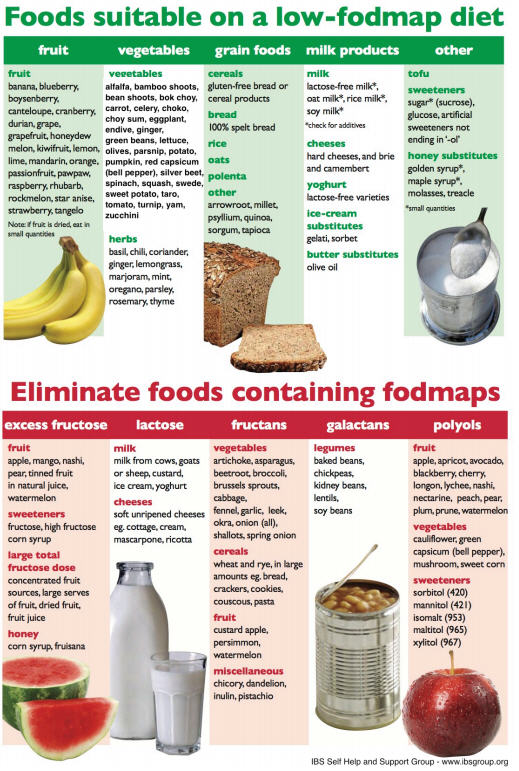
People with celiac disease may also have other food intolerances such as lactose or fructose intolerance, both of which can be diagnosed by a hydrogen breath test. Some research has shown that FODMAPs (fermentable oligosaccharides, disaccharides, monosaccharides and polyols) may be responsible for the symptoms of IBS (irritable bowel syndrome) and/or inflammatory bowel disease. Sufferers may benefit from a diet low in FODMAPs.

6.   Refractory Celiac Disease

Refractory celiac disease, also known as refractory sprue, affects up to 5% of people with celiac disease.  Unfortunately for this group of patients, the damage to the villi in the small intestine does not heal despite being on a gluten free diet. These patients are usually treated with steroids and immunosuppressant’s.
7.   Diabetes Type 1
Celiac disease and type 1 diabetes are genetically based disorders sharing similar genes (DQ2 and DQ8). That is why they both often occur in a susceptible individual. About 3.5 to 10 percent of individuals with celiac disease develop type 1 diabetes and vice versa. Diabetes is usually diagnosed first because the symptoms are more easily recognized and can be picked up with a general blood or urine test for sugar.

The symptoms for each mimic other diseases and therefore diagnosis can be quite confusing. If you suffer from any of the related symptoms it is critical to consult a doctor for a proper diagnosis.

Both diseases are activated by environmental triggers and have increased risk for other associated autoimmune diseases.

Summary 

So if you are totally sure that you are 100% gluten free, then it may be time to revisit your doctor because these other diseases could exist alongside your celiac disease. Your doctor may need to run other tests to determine to cause.
The University of Chicago, research center for celiac disease in the U.S., once posted that:
“While healing may take up to 2 years for many older adults, new research shows that the small intestines of up to 60% of adults never completely heal, especially when adherence to the diet is less than optimal”
This goes to show that being sure that you are on a 100% gluten free diet if you have celiac disease is critical.  Read more about how to achieve a 100% gluten free diet in my book about Gluten Free Cooking  


Saturday, 2 January 2016

People With Celiac Disease Must Also Check To Ensure Medicine is Gluten Free

People with celiac disease face a dilemma when it comes to medicine. Many medicines are bulked up with wheat derivatives which contain gluten. The gluten protein is used to coat prescription drug and over-the-counter medicine capsules, among other things.


The only treatment for people with celiac disease is to go on a 100% diet for the rest of their lives. So, how do they cope when they need to take prescription medicine or even over the counter pain killers? For a person who suffers from celiac disease, this is a very serious issue which needs to be addressed urgently.  

Many celiac sufferers report that some of their worst episodes of gluten poisoning have resulted from the ingestion of gluten used in prescribed medication. Most refuse taking most pain killers, even after surgical procedures, because they contain gluten. What is worse dealing with the pain of surgery, or dealing with symptoms of a gluten reaction; gut pain, joint pain, headaches, fiercely itching skin, and so on.

The answer seems like it should be straightforward. Like with food, they must also become expert label readers of medicine bottles. But the problem is that the FDA does not have labelling laws for medicines like they do for food.

Currently, unless a medication is specifically labelled as gluten free, so calling the manufacturer is the only way to confirm the medication's gluten-free status. However, very few medications are labelled as gluten-free. Inactive ingredients may be listed on the box or the package insert, but it is difficult, if not impossible, even for doctors or pharmacists to tell if these are derived from gluten.

In general, any starch ingredient including pregelatinized starch and sodium starch glycolate which is not labelled specifically as being derived from a gluten free source, such as corn, potato, tapioca, should raise alarm bells for the person with celiac disease.

Furthermore, other inactive ingredients that might come from wheat or barley and contain gluten include; dextrates, dextrins, dextri-maltose, and maltodextrin.

Because many pharmaceutical companies are not gluten savvy, they may not know themselves if their medications are gluten free. They may not know the gluten free status of the raw materials they buy from outside suppliers. The possibility of cross-contamination during the manufacturing process is another potential problem. As with food companies, pharmaceutical companies also need to be trained in the HOW of gluten free. 


Many pharmacists and pharmacies are blasé, careless and unsympathetic and have no understanding of celiac disease and their need to be gluten free. Doctors also do not seem to be aware that prescription drugs often contain gluten and may prescribe medicine which will have a detrimental effect on a person's health.

Early on 2015, an American called Michael Weber sued the FDA for failing to regulate the use of glutens in medicines. About seven years ago he had a reaction to gluten after taking some generic drugs, so he petitioned the FDA to either eliminate gluten in medicines or develop new labelling laws to deal with drugs which contain gluten.  A fair enough proposition I would think, considering there are such strict labelling laws for gluten in the food industry. The agency response has been slow. In 2011, public comments about the issue were sought by the FDA, but otherwise, no action had been taken.  So Weber filed a lawsuit to demand the FDA do something.

In his lawsuit, Webber argues that the failure to address the issue of gluten in medicine is affecting millions of Americans. That is because about 1% of the U.S. population has celiac disease. “The absence of rules to address wheat gluten in prescription medications has serious and ongoing public health implications,” says Katie Einspanier, an attorney at Public Citizen, which represents Webber

Michael Weber v. Food and Drug Administration (FDA) (Gluten) 


Description:
In 2008, Michael Weber submitted a citizen petition to the Food and Drug Administration requesting that the FDA ban the use of wheat gluten in both prescription and over-the-counter drugs or, in the alternative, that the FDA require that drugs containing gluten be labelled to disclose that fact. In March 2015, the FDA had yet to grant or deny the petition. Representing Mr Weber, Public Citizen sued the FDA for its unreasonable delay in responding to his petition, seeking an order directing the FDA to act on the petition. In response to the lawsuit, the FDA responded to Mr Weber’s petition, granting the petition in part and denying it in part. We then dismissed the lawsuit.


Currently, it is quite difficult to determine if a drug contains gluten or not because there is no labelling requirement. Sometimes not even the pharmacist has that and either the pharmacist or the patient have to phone the pharmaceutical company who manufactures the drug to find out.
And if it contains gluten what do you do? Most people with celiac disease will not take the drug or may have to discontinue it because it has made them sick. Most people with celiac disease would like to be able to take their prescribed drugs or painkillers without fear or without having to go through all these hoops.
.
No one seems to know exactly how many medicines contain wheat gluten.  Some lists are available on the internet but I would be cautious about relying on such lists because a manufacturer can change the recipe without notification. Just a change in one ingredient could introduce gluten into the mix. Another concern is that and some drug producers cannot verify the absence of cross-contamination during production.

The fact is that drug manufacturers are not bound by the same regulations as food producers and there is not a requirement to test the drugs for gluten. Therefore, most drugs cannot be considered 100% gluten free due to the lack of final product testing. There is a need for a comprehensive investigation to identify what the safe thresholds of gluten are in medication, the impact these levels have on people with celiac disease, and ways to cheaply and easily produce gluten free drugs.

At the moment, most drug companies believe that the complete elimination of gluten would have significant consequences to manufacturing cost and resources and they are not confident that they would be able to prevent cross contamination. Banning the use of gluten-containing grains would disrupt the supply chain, resulting in the need for a major reformulation of products with significant consequences to manufacturing cost and resources.

The food industry has had to reform if they want to provide gluten free products for their customers with celiac disease, so why can't the pharmaceutical industry? Pharmaceutical companies are certainly wealthier than their hospitality cousins. I only hope that this pending suit against the FDA will shake up the industry and new laws and regulations will soon come into force.